From Campus to Community: STEM Camps Help Prepare Next Generation of Educators

From testing water quality and tracking wildlife to coding with Micro:bits and exploring ecosystems, young learners spent part of their summer turning Cal Poly Pomona into a place for scientific discovery.
Through the S.T.E.A.M. and Sustainability Summer Day Camp, STEMiLLiTAS, and CEIS STRIVE Camp, the College of Education and Integrative Studies brought local youth together with Cal Poly Pomona faculty, university students, the College of Environmental Design, and the National College Resources Foundation. Together, the programs connected hands-on science, technology, engineering, art, and mathematics (S.T.E.A.M.) with sustainability and place-based learning while advancing a broader CEIS priority: strengthening educator preparation on campus and creating educational impact throughout the region.
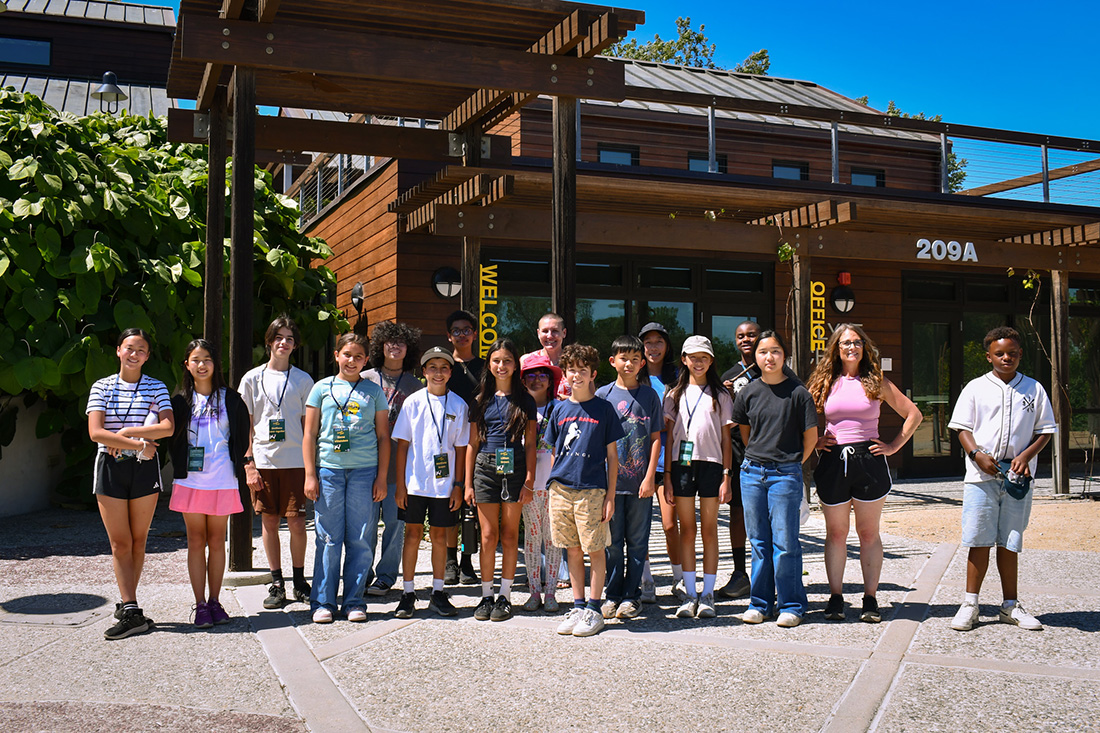
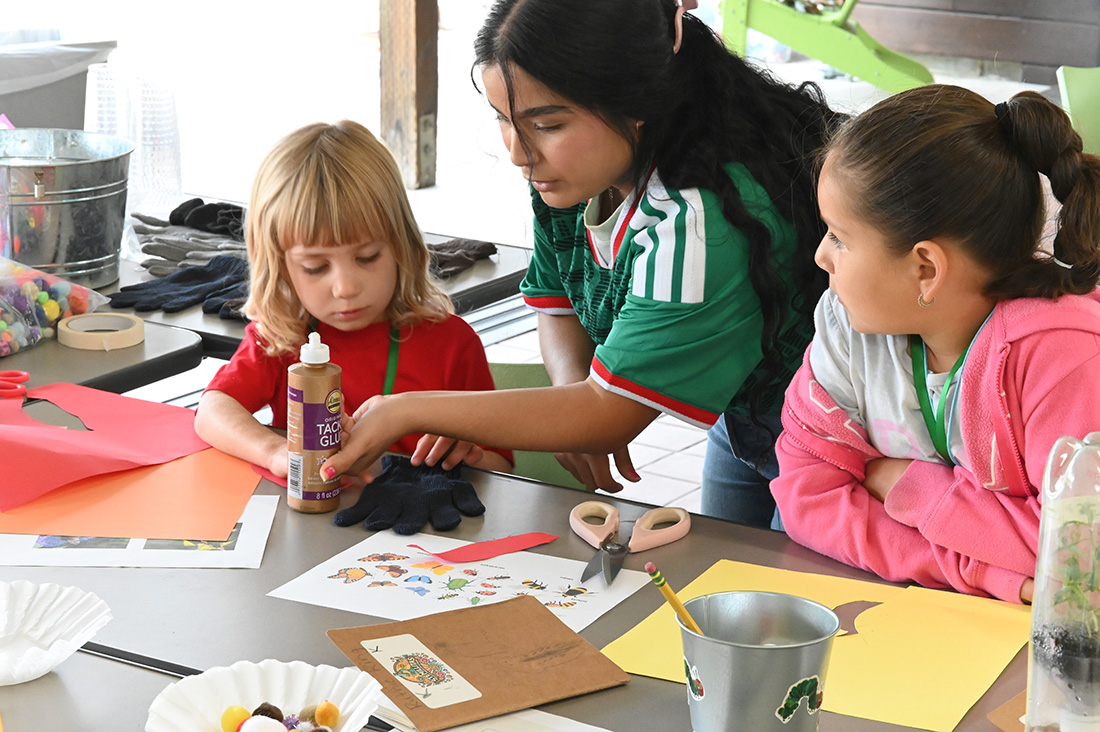 Students from kindergarten through ninth grade participated in camps. The educational backgrounds of the students varied, with campers coming from public, charter and private schools, as well as homeschooled students and those attending schools serving learners with special needs.
For 10-year-old Brianna of Fontana, her first science camp helped make college and a future in science feel possible. “The first time I went to a college campus, I felt like I was gonna go here someday,” Brianna said.
After seeing animals captured on cameras campers had set overnight, she said she now wants to become a scientist or an astronomer.
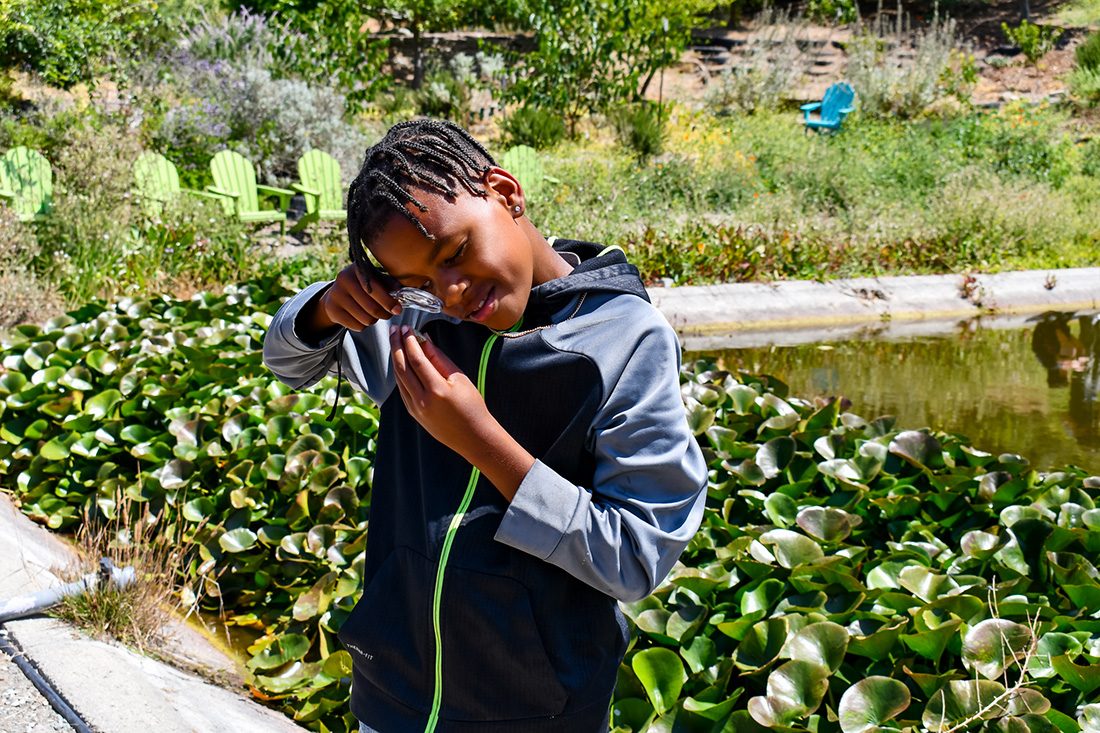
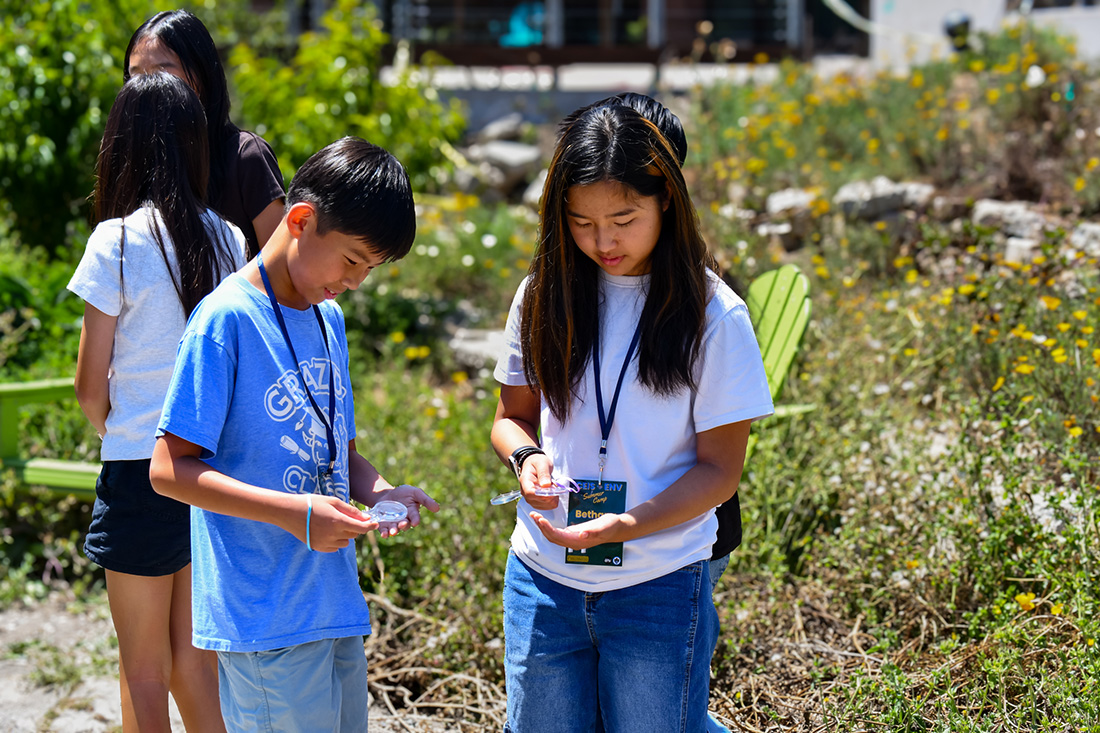
At the S.T.E.A.M. and Sustainability Summer Day Camp at the John T. Lyle Center for Sustainability Regenerative Studies, students explored ecosystems, used ArcGIS Field Maps, collected air and water quality data, set camera traps, and considered environmental challenges ranging from water use to the impacts of data centers and artificial intelligence.
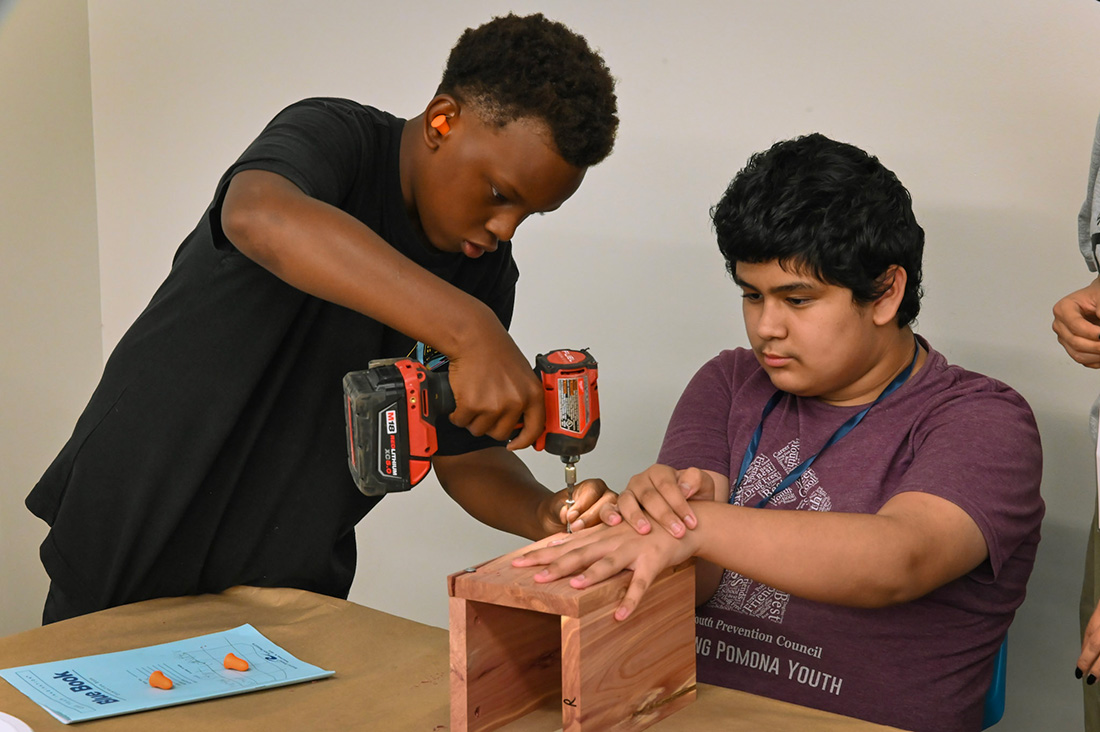
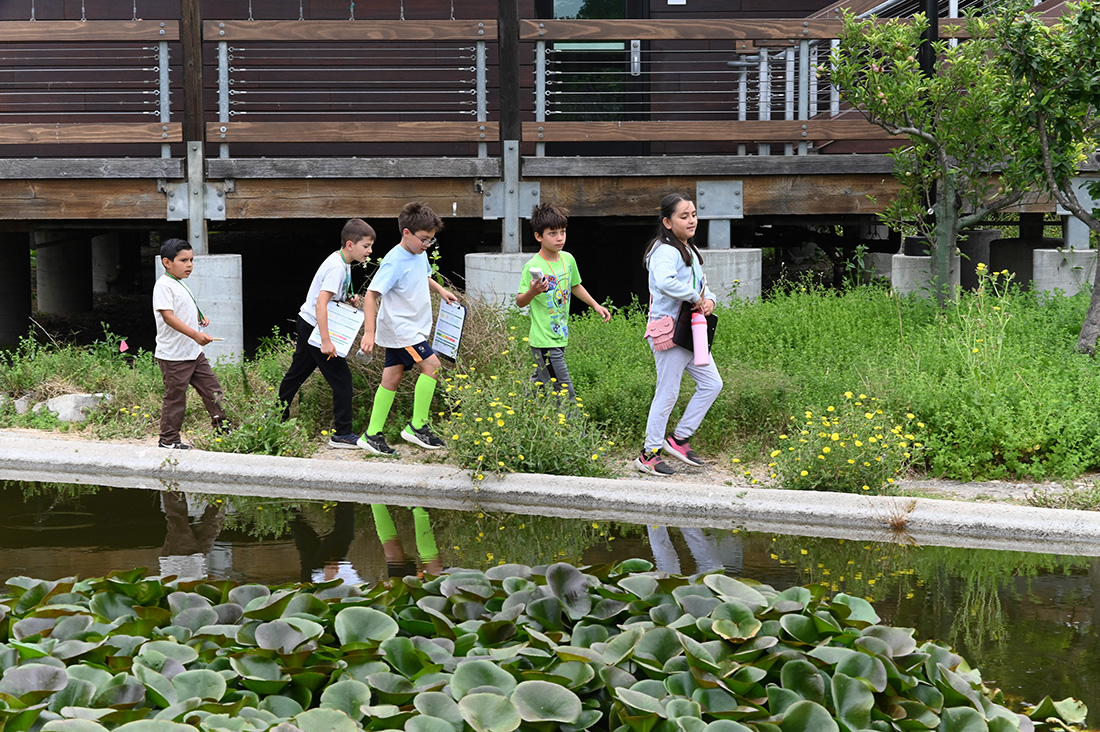
STEMiLLiTAS, overseen by Education Assistant Professor Eliud Partida, brought 37 K–5 students together for a Spanish-English bilingual experience that incorporated hands-on science, place-based learning, and multilingual storytelling at the Lyle Center, BioTrek, and Bonelli Park. In July, STRIVE campers explored color theory, pH, Micro:bit coding, design, motors, and programming before sharing their projects during a culminating exhibition.
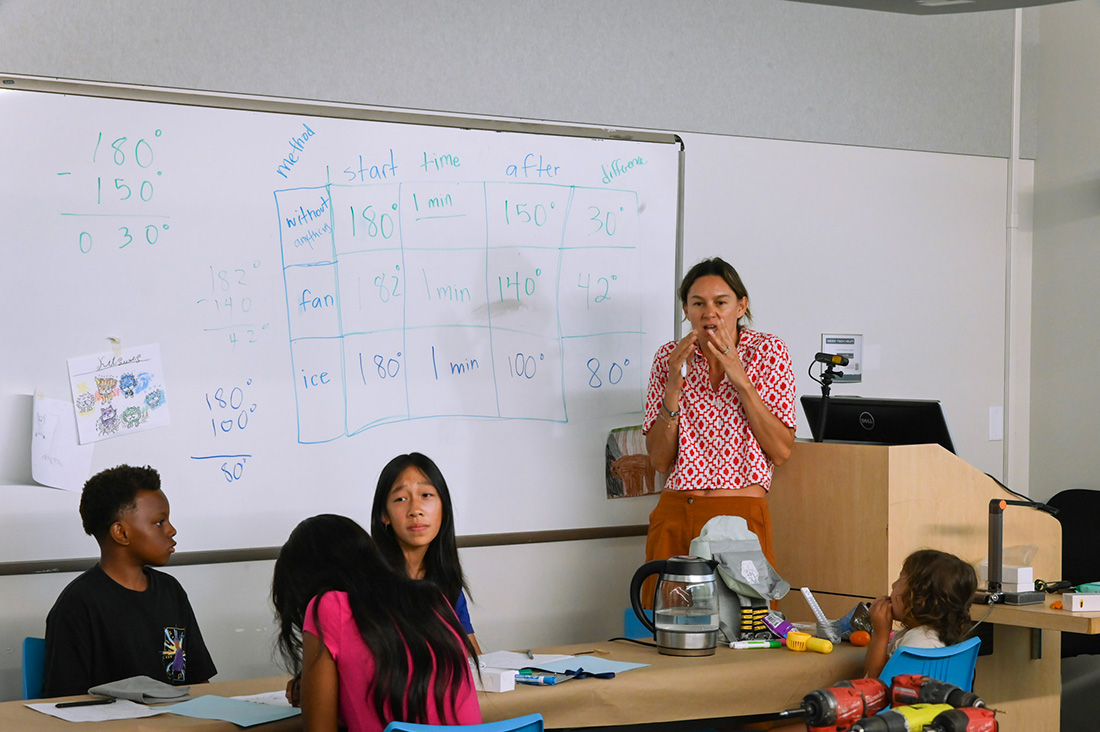 Students and parents lauded the camps for fueling excitement around science, technology and math.
One student came away with a set career goal to be a science teacher, adding that the camp was a “really fun experience” that went by way too fast.
A parent saw the impact beyond the experiments.
“It’s a wonderful opportunity for them to experience a STEM camp in the summer,” the parent said, noting that the children talked about the experiments they conducted, the friends they made, and their excitement about returning each day to continue learning.
Creating that kind of early exposure is particularly important for students who may not otherwise have access to S.T.E.A.M. enrichment opportunities, said Corey Price, director of strategic partnerships at the National College Resources Foundation.
“It’s important to expose students to STEM fields at an early age because they need immersive experiences that can shape their interests and fuel passions they never knew they had,” Price said. “Experiences like our STEAM Summer Camp make learning tangible, giving students a hands-on approach that builds real interest in these subjects.”
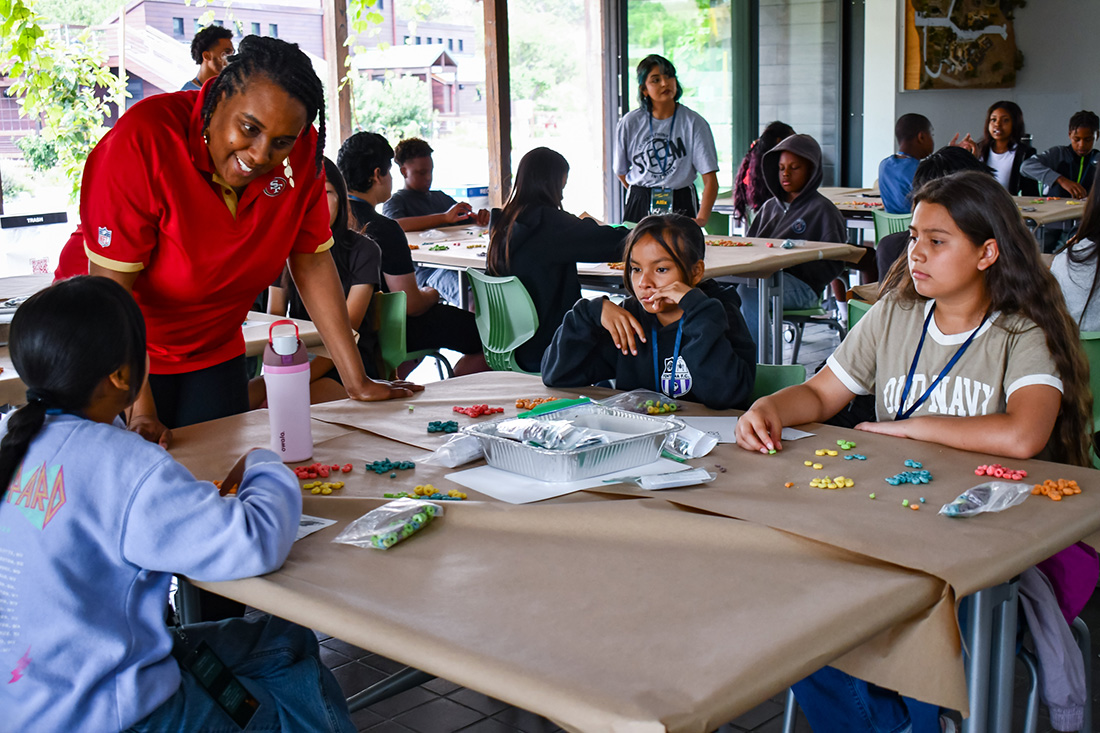 Credential students served as co-facilitators during STEMiLLiTAS, while CPP student workers supported faculty-led activities and participated in daily preparation and debriefing during STRIVE. These experiences provided future educators with opportunities to work directly with students from varied educational backgrounds and put approaches to teaching, mentorship, and engagement into practice.
For CEIS Dean Jenelle S. Pitt-Parker, the collaboration between the colleges and the foundation demonstrates how partnerships can expand access while investing in the region’s future.
“We’re so happy to be able to bring these camps to life through partnership with the National College Resources Foundation’s S.T.E.A.M., as well as the College of Education and Integrative Studies and the College of Environmental Design,” Pitt-Parker said. “Our missions are very much aligned. We want to ensure that we are reaching communities and families that oftentimes don’t readily have access to these types of high-impact experiences.”
Providing those opportunities earlier, she added, can help create a college-going culture while setting “a trajectory of success, of expectation, of commitment and investment in our future educators, our future leaders, scientists and engineers.”
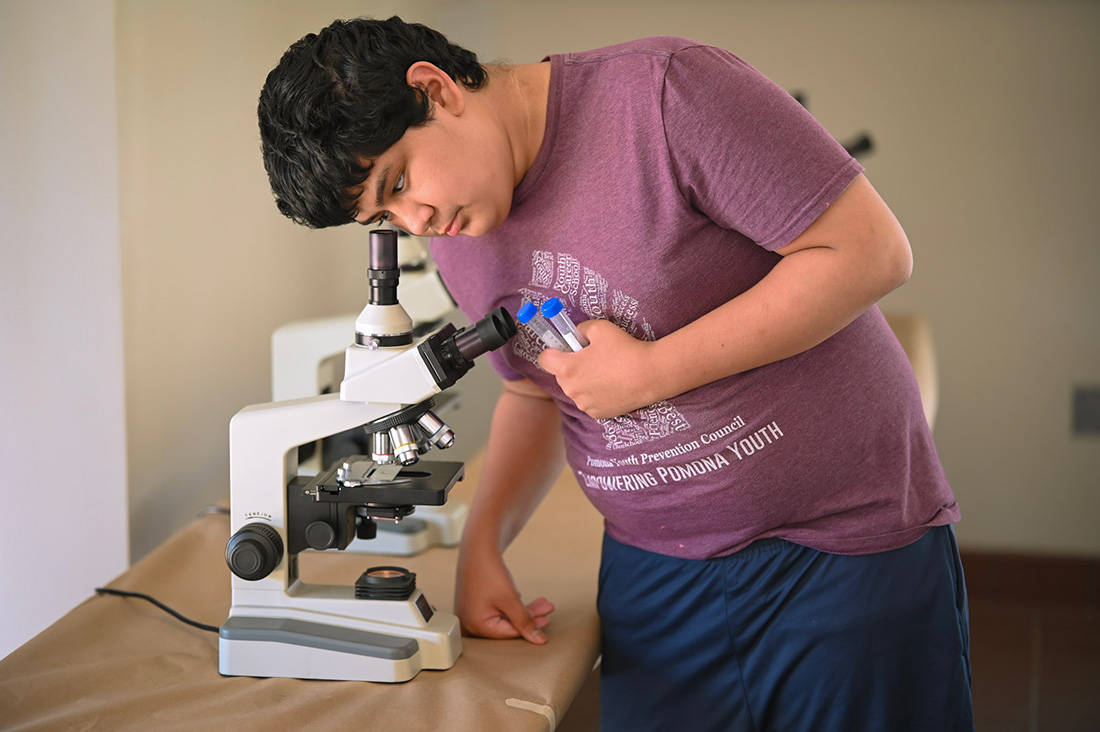 Together, the three camps illustrate how educator preparation, interdisciplinary collaboration, educational access, and community engagement can reinforce one another. As young learners gain access to university resources and opportunities to envision themselves as future college students, scientists, engineers, educators, and environmental problem-solvers, Cal Poly Pomona students gain valuable experience engaging and supporting diverse learners. In this way, the camps extend educator preparation beyond university coursework and into the communities future educators may ultimately serve.