NASA JPL - Software Systems Engineer II
Monday, Nov 03, 2025, 12:00pm - 1:00pm.
Room 8-48.
Abstract:
Building spacecraft can be a daunting and challenging task. No matter the size or budget, it takes a variety of disciplines to ensure that everything works while in space. It is the job of a system engineer to ensure that all requirements are satisfied pre-flight. As missions become more complicated, the job of the system engineer becomes more crucial to mission success. Traditionally, systems engineers capture spacecraft requirements within physical and digital documents. While this process is intuitive, the process becomes arduous and brittle as the spacecraft becomes more complex. A push towards capturing spacecraft requirements in a digital twin, repo, or model would allow for systems engineers to satisfy requirements while ensuring that the process is secure and intuitive throughout the lifecycle of the system. Designers are focused on making systems accessible, discoverable, and usable to their target audience. In this seminar, Aaron will talk about how infusing principles of design to digital twins can add value to systems engineers and the industries they work in.Bio:
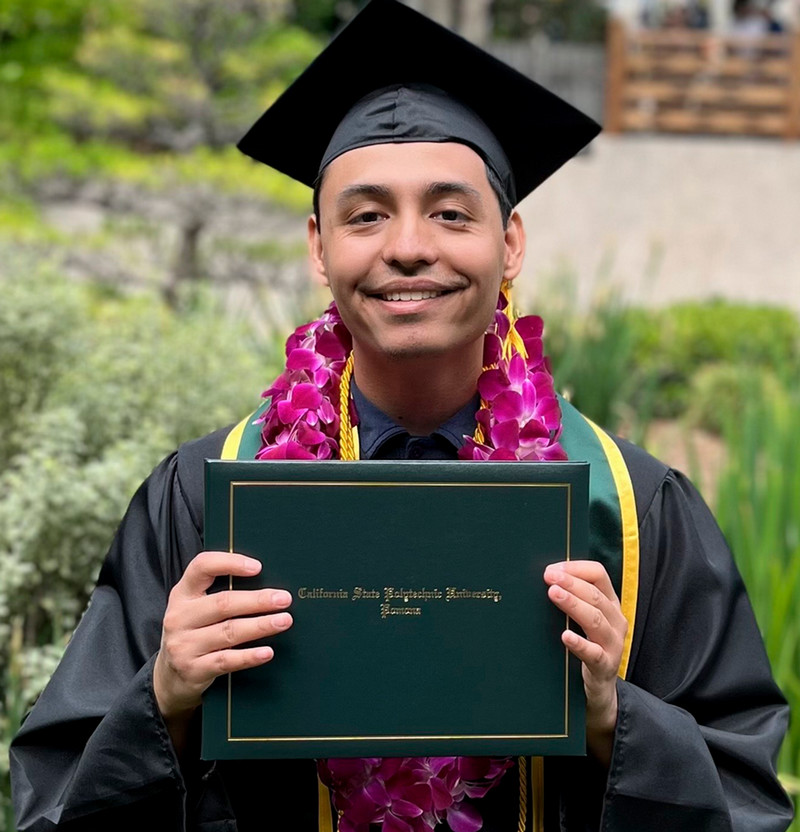
Aaron Levitt works in the Systems Modeling Methodology Research and Development group at NASA’s Jet Propulsion Laboratory at the California Institute of Technology. He currently works on the CAESAR (Computer Aided Engineering for System ARchitecture) project as a full-stack software engineer which aims to supplement the current systems engineering practice with digital twins by using agile development practices and reusable open-source libraries that fit JPL’s missions. His goal is to transform system engineering on JPL missions into a more intuitive, agile, and accessible practice and expand CAESAR to other industries such as automotive and other space agencies such as JAXA (Japan Aerospace Exploration Agency). Prior to working on CAESAR, he worked as an electrical engineer on NASA’s Lucy spacecraft doing V&V (Verification and Validation) and as an EGSE (Electrical Ground Support Equipment) software engineer writing scripts for I&T (Integration and Test). He holds a BS in Electrical Engineering from Cal Poly Pomona and is currently pursuing his MS in Computer Science with a focus on Human Computer Interaction from Georgia Tech.