Digital Content Repository Initiative

Overview
During the summer of 2022, over 40 faculty from the College of Science participated in a student success, CSU Graduation Initiative 2025-funded pilot program called the Digital Content Repositories (DCR) Initiative.
Background: The Challenges
1. Student access to course content potentially ends at the close of the term.
2. Students who need to refer to that content as a review of prerequisite or foundational content for another course are disadvantaged and are left without a set place to review content.
3. Loss of access to or absence of foundational materials is especially detrimental for students in courses identified as high DFW, prerequisite, required, bottleneck, and equity gap courses.
Benefits
o The content can serve as reusable modules that can be shared across courses and programs and can be linked to from within other courses.
o By working in teams, instructors will decide collectively what content is essential and what should be included in the content repositories.
o Students will have access to all content in their program’s content library for as long as they are in that program, so they can revisit information at any time to brush up, or experience the content at their own pace.
Goal
Our goal is to decrease DFWs and course repeats and increase grades and equity. 
Courses |
|||||||
|
Content Elements for the Digital Content Repositories

|
Financial Support
o Faculty were compensated at two important milestones: completion of the content map for the DCR and the delivery of the DCR.
o All tenure-line faculty and lecturer participants were compensated.
o We also had a Foundation staff member, a manager (MPP), and a faculty member in retirement (FERP) who received other forms of compensation.
o Compensation is deserved and essential, but can create a resource bottleneck for staff processors.
Teamwork and IP: The Shared Curriculum Model
This is a collaborative effort, working together as a team, not individual contributors working in isolation.
The university is investing resources.
We share the work and share intellectual property ownership.
Data, Metrics, & Key Performance Indicators
Some of the data collected include:
o # of DFW grades in courses with a DCR
o Pass rate for courses with a repository
o # of total visits to a repository in a term
o # of unique visits during term
o DFW rate for digital content repository visitors by course vs DFW rate non-visitors by course
o For courses with 20% DFW or higher: Change in DFW rate for courses with content library vs without a DCR
o Equity gap among students in courses with a DCR
Support Resources
Faculty support was vital. Some of the support resources included:
- Content recording studio support through MediaVision
- Instructional Design Support through CAFE (Center for the Advancement of Faculty Excellence)
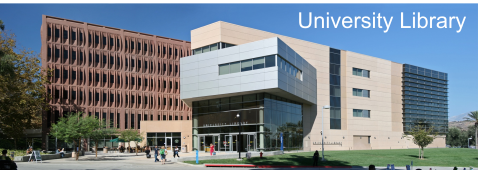
- Library and digital media support through the University LIbrary