
2025 Top Stories: New Manufacturing Research Center, President Retires and Horse Center Turns 100

Cal Poly Pomona had ample reasons to celebrate achievements, milestones and the generosity of its donors in 2025.
From new centers in the works to added housing to the W.K. Kellogg Arabian Horse Center turning 100, the year proved to be a good one marked by the continued success of students, the dedication of faculty and staff and the support of the wider Bronco community. Check out the top 15 stories of 2025.
#15: Venus Study
Rakesh Mogul, a professor in the Department of Chemistry and Biochemistry, led a re-analysis of data collected in 1978 during the Pioneer Venus mission that produced new findings about the planet’s atmosphere. The re-analysis of aerosols in Venus clouds, which were published in the Journal of Geophysical Research Planets, showed evidence of substantial water and iron on the planet, updating the previous belief that the aerosols were composed of highly concentrated sulfuric acid and the planet’s atmosphere is dry.

#14. Rose Garden Revamp
CPP engineering students put their skills to work to revamp one of the university’s most important landmarks. Students and faculty from two civil engineering classes collaborated on a renovation of the gazebo in the century-old rose garden as part of a 2024-25 academic year senior project. It was the first major renovation of the gazebo, which as a gift from the Class of 1995.

#13: Addressing a Teacher Shortage
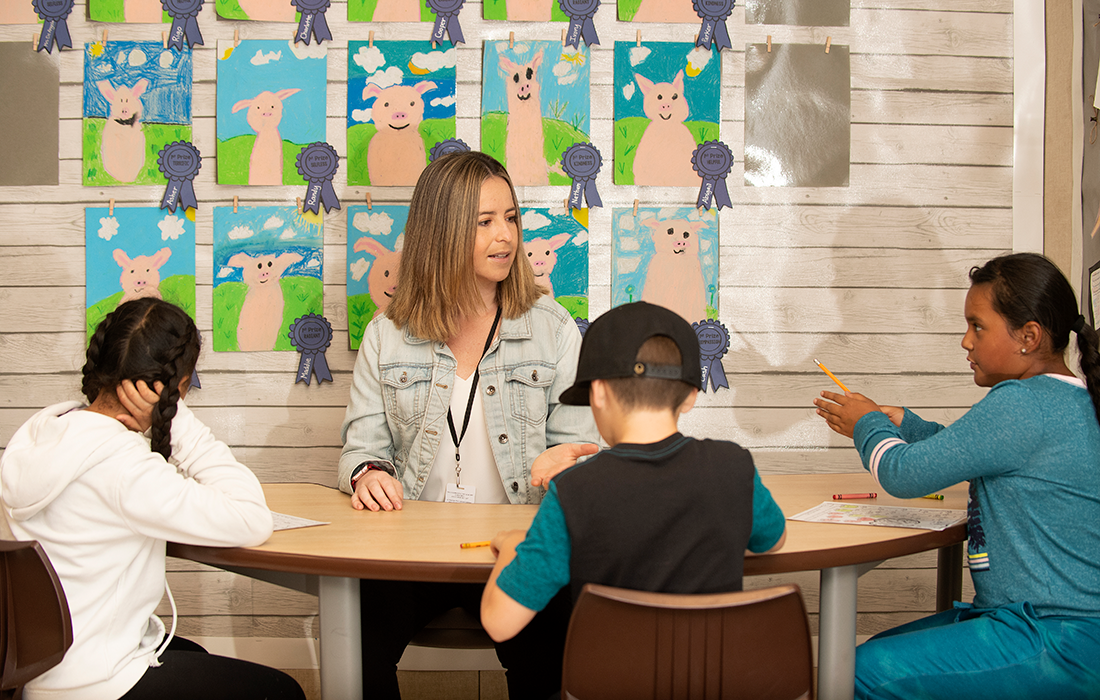
The College of Education and Integrative Studies teamed up with the Pomona Unified School District to tackle California’s ongoing teacher shortage through a new year-long teacher residency program. The state grant-funded program, led by CEIS bilingual coordinator and Assistant Professor Nirmia Flores, is designed to prepare highly qualified special education teachers for the region’s diverse classrooms.
#12: A Designation Bee-Fitting CPP
Cal Poly Pomona has received national buzz for protecting bees and other pollinating insects in the region. The university has been designated as a Bee Campus, joining more than 400 colleges, universities and cities that have pledged to conserve native pollinators across the country. The recognition, which officially went into effect in July, was a joint effort between the Office of Sustainability and Students for Sustainable and Regenerative Action (SSRA), a student club.

#11: Rose Float Entry Reflects Spirit of the Day
Cal Poly Universities’ Rose Float, “Nessie’s Lakeside Laughs” won the Leishman Public Spirit Award in the 136th Rose Parade. The 2025 entry, which marked the 76th Rose Float that Cal Poly Pomona and Cal Poly San Luis Obispo students have designed and built together, was rewarded by the judges for the most outstanding floral presentation from a non-commercial participant. The is the 63rd award for the Rose Float team and third Leishman Public Spirit Award.

#10: MLK’s Monumental Legacy
More than three decades ago, Black students at Cal Poly Pomona planted a eucalyptus tree in the Quad outside of Building 6 and placed a bronze plaque at its base as a tribute to Martin Luther King Jr. Over time, the plaque faded and was obscured by vines. In 2024, DeVoneia Jordan, who was a doctoral student at the time, learned about the plaque and decided to take on its restoration as part of a required project for the AfroFuturism Initiative scholarship program. That plaque also was relocated to a more prominent location, at Building 95, just outside the Black Resource Center.

#9: Research Recognition
Cal Poly Pomona has been officially recognized as a research university by achieving R2 status in the Carnegie Classification of Institutions of Higher Education. CPP is one of eight CSU campuses in the R2 category. The criteria for an R2 institution are that an institution must spend on average at least $5 million on research and development and award a minimum of 20 research doctorates each year. Last year, annual research funding at Cal Poly Pomona climbed to more than $23 million for 92 projects. The recognition as an R2 institution strengthens the university’s reputation as a center for innovation and will further expand opportunities for faculty and student research.

#8: Housing Changes
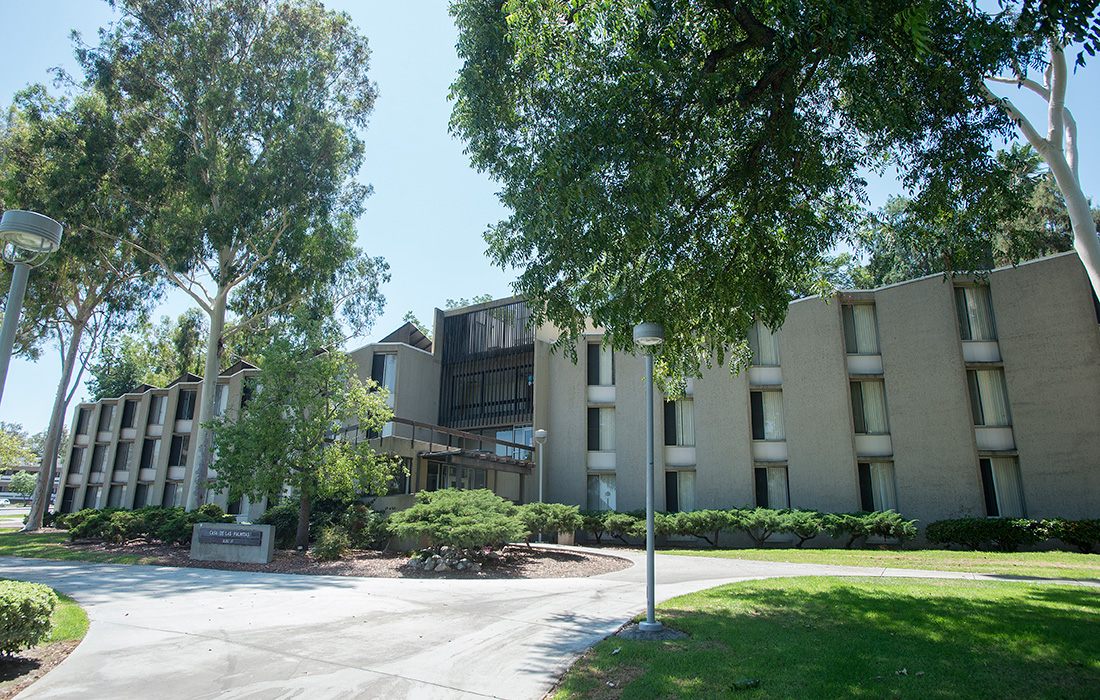
Demolition of the Palmitas and Cedritos residence halls, as well as the adjacent Los Olivos Commons, all built in the 1960s, got underway in February. The residence halls, which were constructed atop a previously unknown earthquake fault, shuttered in 2020. In June, Cal Poly Pomona Enterprises acquired The Current, a 177-unit, 636-bed housing community located just 1.5 miles from campus. The $126 million purchase addresses a growing waiting list for student housing.
#7: Model UN Wins Back-to-Back-to-Back
For a third consecutive year, Cal Poly Pomona’s Model United Nations team won Outstanding Delegation at the National Model United Nations Conference in New York City. CPP competed against 147 other university teams from across the globe at the April conference. The team of 20 students represented Mexico at the conference, divided into 10 committees of two students each covering topics such as crime prevention and criminal justice, nuclear weapon disarmament and human rights.

#6: CPP Earns High Marks
Cal Poly Pomona claimed the No. 2 ranking among Top Public Schools in the western region in the 2026 U.S. News & World Report “Best Colleges” ranking and was among the top 10 in several other categories. CPP was listed at No. 2 in the most innovative schools category. In the national rankings, the College of Engineering tied for No. 9 among undergraduate programs where a doctorate is not offered. This marked the fourth year in a row that the college was in the top 10.
#5: A 100-Year Legacy
The W.K. Kellogg Arabian Horse Center turned 100 this year. Founded in 1925 by cereal magnate W.K. Kellogg, the center is the oldest continuous Arabian breeding program in the nation. It was honored with the prestigious Heritage Award from the San Gabriel Valley Economic Partnership, recognizing its century-long legacy of educational innovation, regional impact and community engagement. The center partners with the Don B. Huntley College of Agriculture in animal science and animal health science classes and research projects. In addition, programs like Horses for Heroes, Foal Watch and the Horsemanship Club provide interactive and educational experiences for students.

#4: Gifts Bolster Facilities and Programs
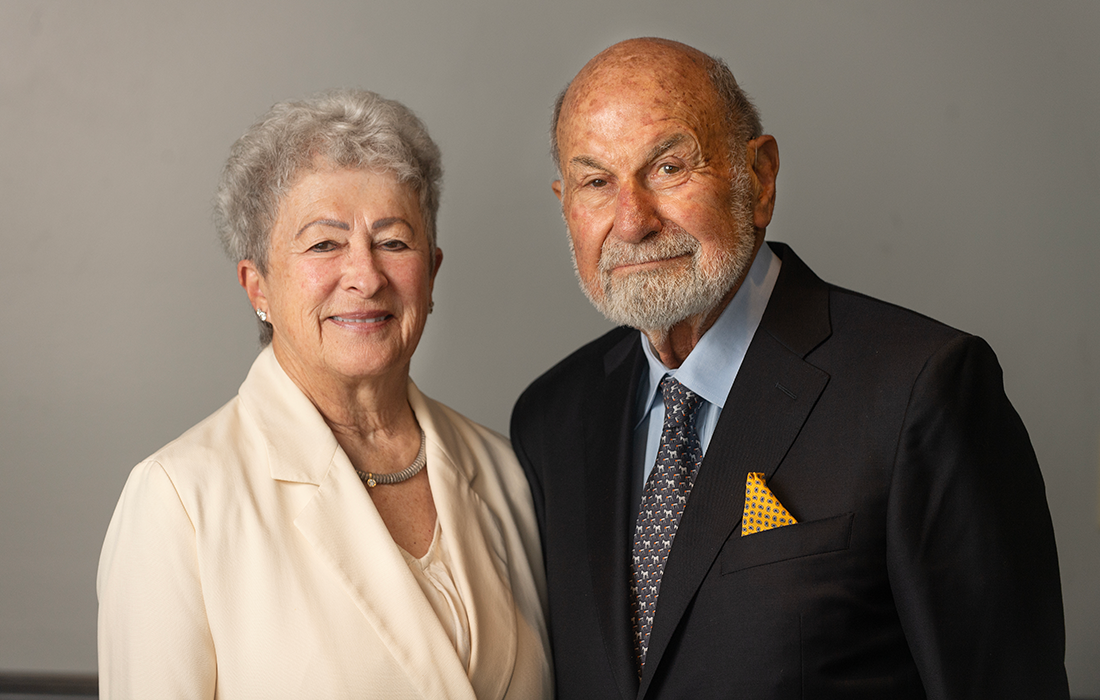
Donor support plays a big part in improving facilities and programs at CPP. The planned renovation at The Collins College of Hospitality Management received a big boost in 2025 thanks to a $3 million gift from Larry and Jo Shupnick’s Family Foundation. The couple, longtime supporters of the college, will fund the newly named Shupnick Innovation Center, which will include an interdisciplinary incubation hub, flexible learning and collaboration spaces and a state-of-the-art test kitchen. A $200,000 gift from SchoolsFirst Federal Credit Union, the largest credit union in California and the largest serving school employees and their families, will support the College of Education and Integrative Studies’ Afrofuturism Initiative and Partners in Education, which supports the Sponsor a Future Teacher fellowship program.
#3: A President Retires, A Familiar Face Returns
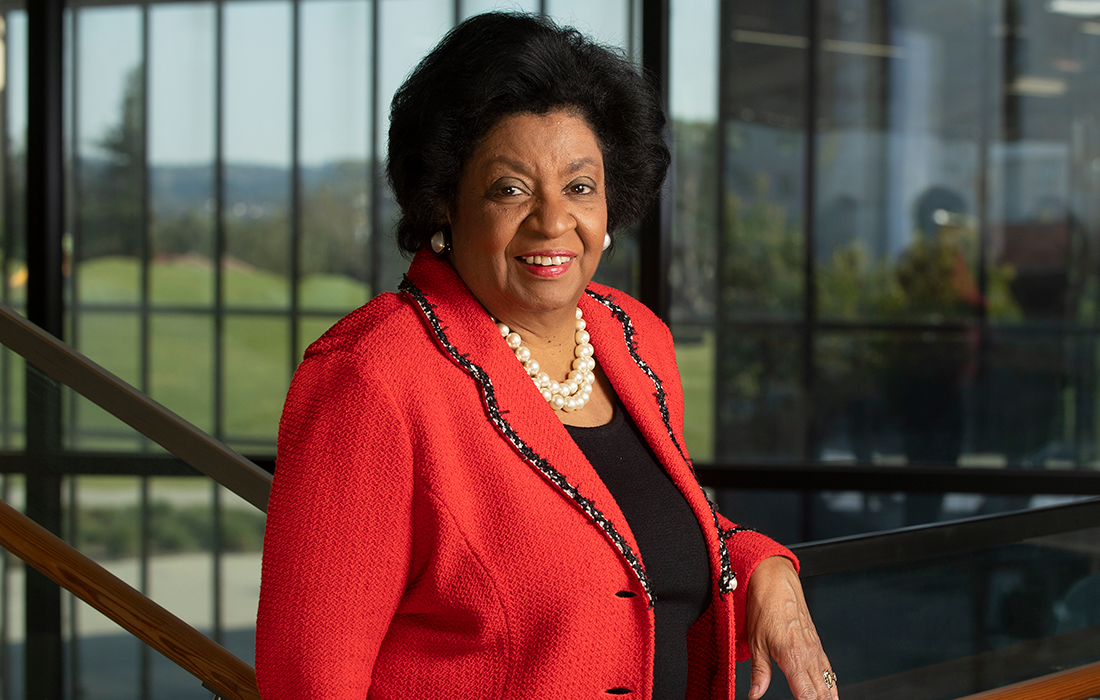
President Soraya M. Coley retired after more the a decade at the helm. Appointed in 2015, Coley was the first woman and first African American to serve as the university’s president. During her tenure, Coley oversaw the construction of the Student Services Building, Centerpointe dining commons, Rose Float Lab and new student housing; managed the conversion from the quarter system to semesters; navigated the fraught waters of state budget belt-tightening; and led the university through a pandemic. Iris Levine, who previously served as the dean in the College of Letters, Arts, and Social Sciences, interim provost and special assistant to the president before retiring, was appointed as interim president in late July. She has 32 years of experience on campus as a professor and academic leader.
#2: Grant to Fund Innovative Smart Manufacturing Center
Cal Poly Pomona received a $7.5 million grant from the National Science Foundation — one of the largest research investments in the university’s history — to establish the Center for Research Advancement in Smart Manufacturing (CREST-RASM). The center is envisioned as a pioneering hub that will shape the future of the nation’s industrial workforce by preparing the next generation of engineers and scientists to design smarter, more sustainable and globally competitive manufacturing systems.

#1: CPP as an Economic Driver
CPP proves to be an important driver of the Southern California economy. A new study confirms that for every $1 invested by the state, the university generates $14.57 in statewide industry activity — including the impact of alumni earnings. According to the 2025 California State University Economic Impact Report, Cal Poly Pomona supports more than 11,000 jobs and generates $1.5 billion in industry activity across the Los Angeles region. The report details the university’s significant influence on the regional economy through its spending, employment and alumni earning power.
