Phase 3 Teams
AISRA
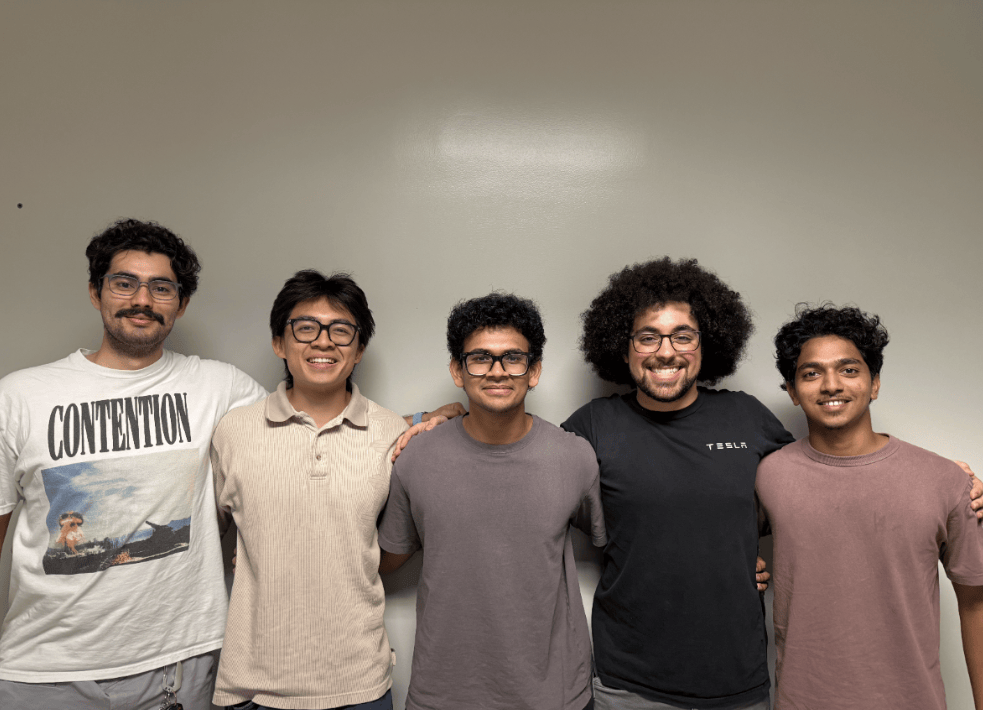 There is an increasing demand for accessible automation, but current multi-axis industrial robotic arms remain expensive and rigid in their tooling for small-scale or variable operations. Team AISRA aims to build a modular, five-axis, cost-effective robotic arm equipped with a tool changer, designed to provide a scalable and low-cost solution for versatile automation tasks.
Team Members: Krishiv Parikh, Youssef Magdy Zaki Daowd, Rayyan Hisham, Johhny Vo, Isaiah Renteria
Team Dart
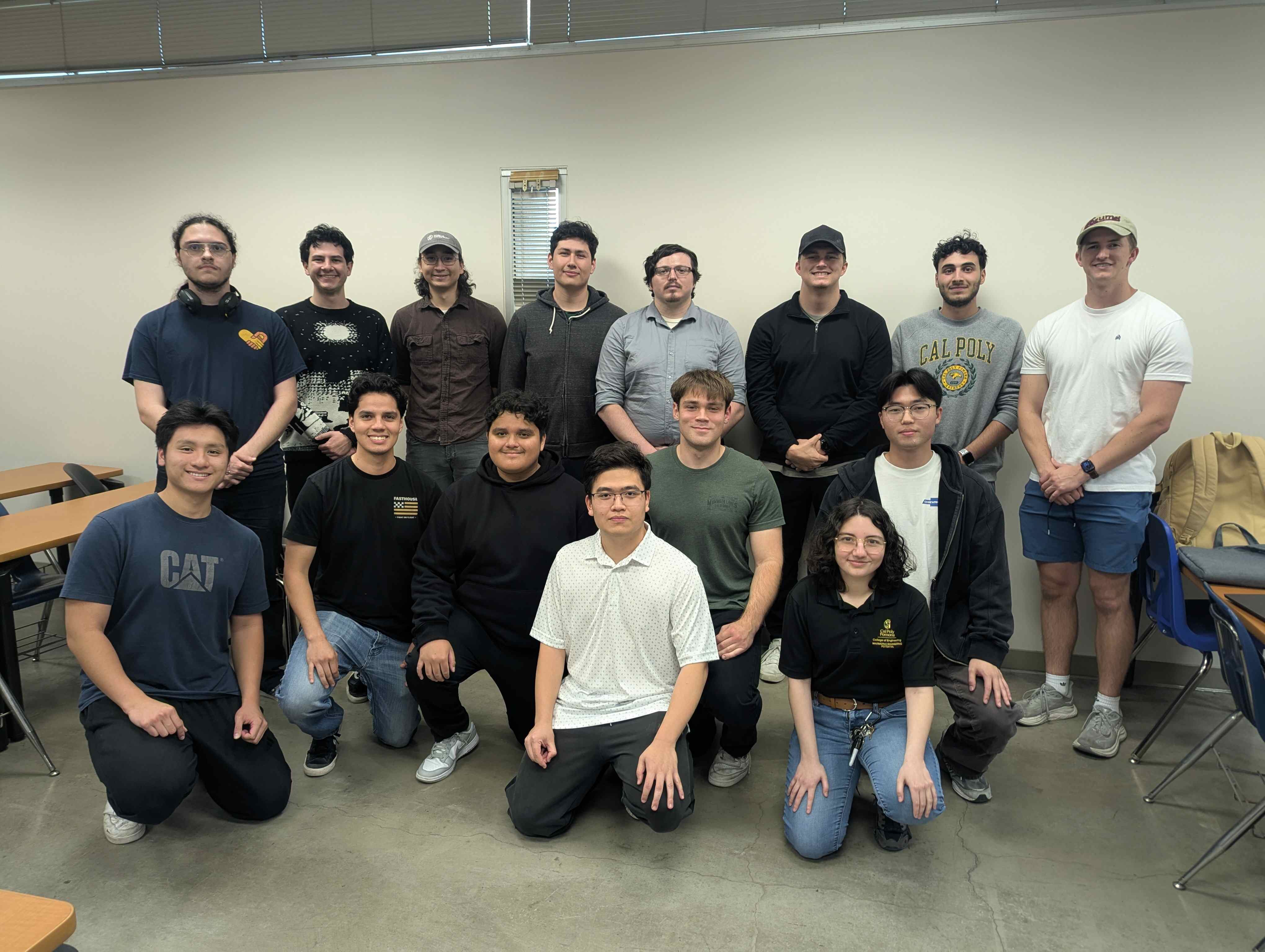 DART (Ducted Aerodynamic Research and Testing) is a 2026–2027 undergraduate research project at Cal Poly Pomona that experimentally evaluates electric ducted fan (EDF) nacelle geometries in CPP's Low-Speed Wind Tunnel, measuring thrust, thrust-to-power ratio, and flow behavior across varying airspeeds, inclines, and duct shapes. By building a structured performance database from dynamic wind tunnel testing — conditions that existing static test data fails to capture — DART addresses a critical gap in publicly available EDF performance data. The resulting database will serve as a practical reference for EDF manufacturers, aerospace companies, and future undergraduate propulsion researchers seeking to design more efficient and effective electric propulsion systems.
Team Members: Connor Splittstoesser, Jordan Baylos, Daniel Ramirez, Edgar Morales, John van Rayy, Tyler Tapscott, Vi Hung Lee, William Ray, John Kang, Chad Cabrera, Bradley McKee, Kai Bui, Jacob Gomez, Priscilla Justo-Repp, Andrew Sarkissian
Alternative Project Delivery Methods (APDMs)
 The research objective is to examine how California transportation agencies and private-sector partners perceive and implement Alternative Project Delivery Methods (APDMs), including CM/GC, Design-Build, and Progressive Design-Build. The findings show that public agencies face legislative and organizational constraints, while private entities demonstrate higher readiness and broader adoption of these methods. Overall, the study highlights the importance of collaboration, risk-sharing, and policy alignment to expand effective APDM use.
Team Member: Chaimae Nacir
Mentor: Ghada Gad
Team AMP
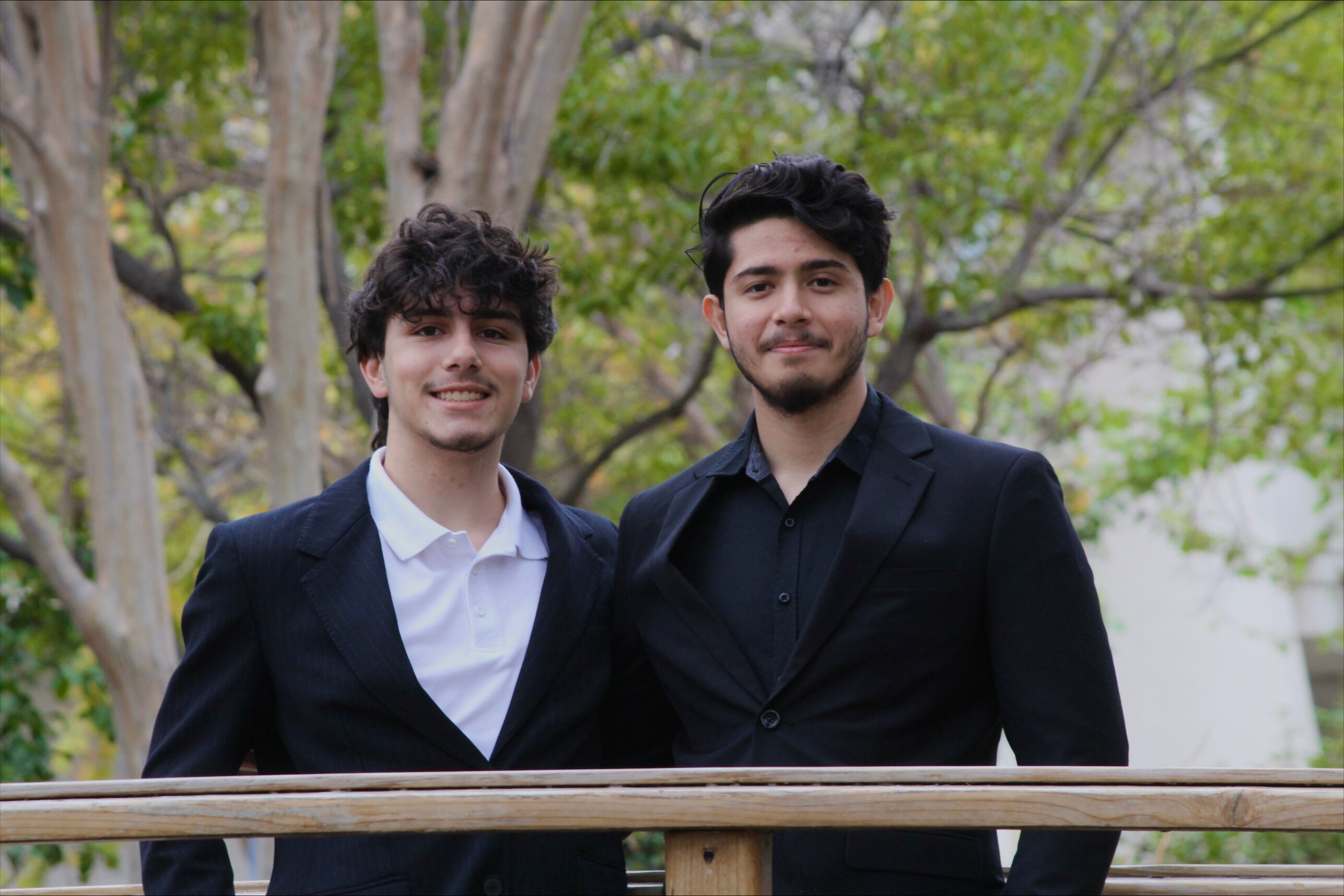
Project AMP is a team-driven effort to develop an autonomous six-wheeled vehicle designed to reduce wildfire risk by detecting and clearing hazardous vegetation in isolated areas especially near powerlines.
Team Members: Breckett Esquivel, Mateo Solis, Oscar Cao
Mentor: Zahra Sotoudeh, Scott Boskovich
Team Psijic
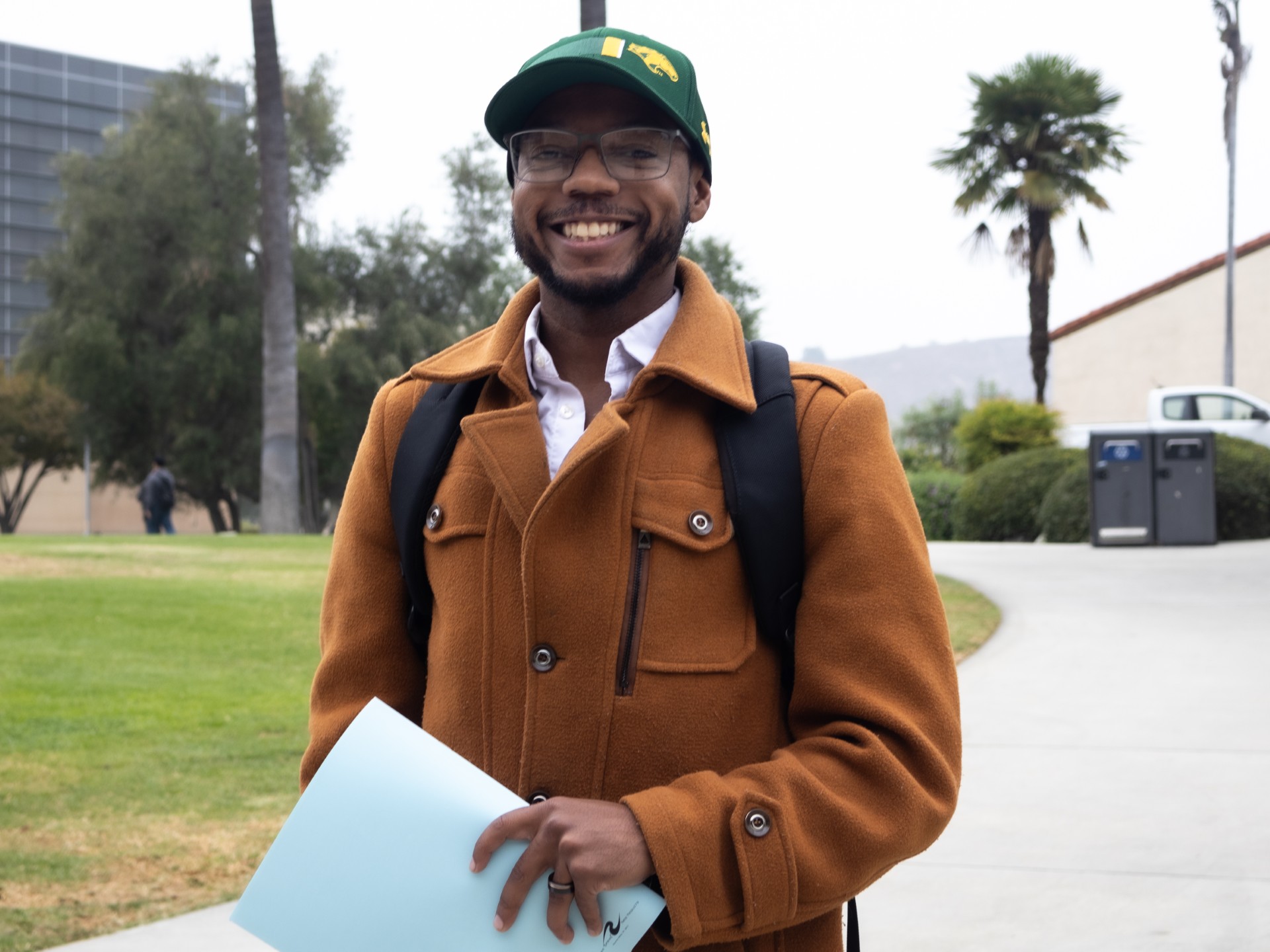
Water scarcity poses a significant challenge to agriculture and potable water sources, particularly in California, where droughts and overuse strain traditional water supplies. This study explores the feasibility of Atmospheric Water Generators (AWGs) as a sustainable addition for irrigation, aiming to supplement existing water systems. By providing a new possible independent water source, AWGs have the potential to enhance agricultural resilience and reduce reliance on conventional supplies.
Development of an AWG for irrigation prototype will begin on March 3rd, 2025, to evaluate water production efficiency and scalability. The project will focus on growing radishes or other fast-growing vegetation to assess plant health and viability. The prototype will be constructed at home using custom-built components, allowing for controlled experimentation and modifications of AWGs for widespread agricultural use.
Team Members: Devin McGee
Mentor: Gwynn Markle, Alexander Novack
Bronco Stride
Bronco Stride is developing a single-legged, lower-body robotic exoskeleton to assist individuals with diabetic neuropathy in walking more comfortably. Unlike traditional mobility aids, this exoskeleton provides targeted support to one leg, using actuators and strain gages to replicate natural gait and adjust levels of assistance using lightweight materials for daily usage while reducing strain on the body.
Team Members: Andres Hernandez, Erika Nicole Consebido, Neelam Mistry, Zoe Mae Andal, Emily Ruiz, Khoa Le, Adrien Chang
Mentor: Peter Ross
Modern Consumer Decisions
The goal of our research project is to understand why people buy products from fast fashion companies despite awareness of the ethically questionable labor practices associated with said companies. Our research will examine how people morally justify their purchases. This project can give consumers more awareness of the process behind their purchases, and being informed could lead to more conscientious purchasing behavior. Ethical clothing brands can also use our research to better understand consumer motivations to effectively promote their products. Organizations advocating for improving labor practices and environmental standards can benefit from our research as well; understanding the moral reasoning of consumer decisions can aid in the development of more persuasive messages, with strategic advocacy campaigns such as partnership opportunities and outreach programs that target demographics based on their moral reasoning. We expect our findings to be valuable in marketing, social psychology, and apparel merchandising.
Team Members: Madeline Mayers
Mentor: Randy Stein
Sheep
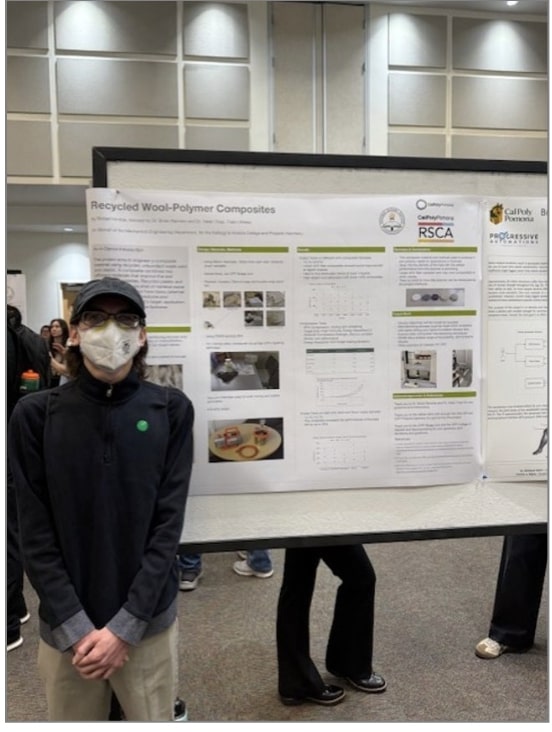 The project aims to engineer a composite material using recycled wool and plastic. A composite material combines a typically low-density, low-strength starting material and an additional material that adds to the end mechanical properties. Recycled plastic and wool are two major sources of material waste today. Coarse wool waste and textile waste are both underutilized resources that are disposed of in landfills and sewage systems. Coarse wool makes up around 20% of shearing yield and is immediately discarded. Furthermore, most plastic waste is not processed or recycled and is sent directly to landfills across the globe. Incineration or landfilling is not a desirable end for these materials, and there is a burgeoning need for new recycling applications for both plastics and wool waste. There is a large range of potential applications. In medicine, these materials are used for medicinal wear and tissue regrowth scaffolding. In construction, they are used for insulation and reinforcement. There is also some niche potential within sensor technology and antimicrobial applications. This project hopes to target the field of medicinal wear and pressure sore relief in particular.
Team Members: Robert E. Kimble
Mentor: Bryan Ramirez
EV Battery Recycling
Our battery recycling project aims to address the growing environmental impact of discarded batteries. As the use of batteries in various applications continues to increase, so does the volume of battery waste, which often ends up in landfills or incinerators, posing environmental and health risks due to the toxic chemicals they contain. For a sense of scale of the issue, our research has found the amount of spent lithium ion battery waste will grow from 2 GWh in 2020 to 1,300 GWh in 2040, a 65000% increase.
Our project will focus on studying the reusability of batteries in second life applications by examining their aging profiles through repeated cycles. This will further expand understanding of EV LIBs as they age in order to assist the industry in innovating solutions to the growing number of used batteries. Through study of the LIB aging process, we hope to generate a data set that can be used to accurately model these batteries to predict their lifespan both in their original usage and in various reuse cases. This would serve as a valuable resource for both hobbyists and industry in order to promote reuse of batteries in second life applications like grid backup energy storage. With the recent advances in AI learning models, we expect our dataset will have additional applications in creating more accurate data-driven prediction models of battery performance.
Team Members: Timothy Sun, Aaron G. McGlaughlin
Mentor: Maryam Shafahi
SEAD-CS
The Submersible Expeditionary Autonomous Data Collection System (SEAD-CS) seeks to explore effective strategies for automating responses to fire-related risks and assisting individuals stranded in remote locations. The primary audience for this project includes the United States Government and companies capable of leveraging the research to develop a reliable product addressing these challenges. This project, however, does not aim to create a user-facing product, but rather supporting research to design a future user-facing project. The significance of researching this subject lies in the potential to save lives by identifying and aiding individuals requiring assistance, who might otherwise go unnoticed during routine checks by the United States Navy or Coast Guard.
Team Members: Aravind Subramanian, Ethan Nguyen, Rasheed Albaroudi, Jacob Vasquez
Mentor: Carlos Castro Candelas
Team FSH
With the recent increase of interest in deep space exploration, there have been several ideas proposed about how to address the large fuel demands that these upcoming missions require. Depending on their specialization, many of the current space launch vehicle providers have come up with different solutions to this problem. SpaceX, taking advantage of their reusability and launch cadence, advocates for the idea of an orbital propellant depot where fuel is stored in low Earth orbit and resupplied with its Starship launch vehicle. Blue Origin, with their large capital reserves, propose the construction of what they call a ‘transfer vehicle’ which would act as a large space tug that would be useful for orbital operations or missions beyond. These proposed solutions are compromised by way of their Earth-centric perspective and thus limit their overall utility for a more ambitious space program. In contrast, this study proposes a more radical solution in which fuel is sourced off-planet and shipped to points of interest in the Solar System. Specifically, it will address the feasibility of a Mars-oriented fueling solution that will service its destination “just in time”.
Team Members: Arya Javaheri
Mentor: Paul Hottinger
Team Carbon Catchers
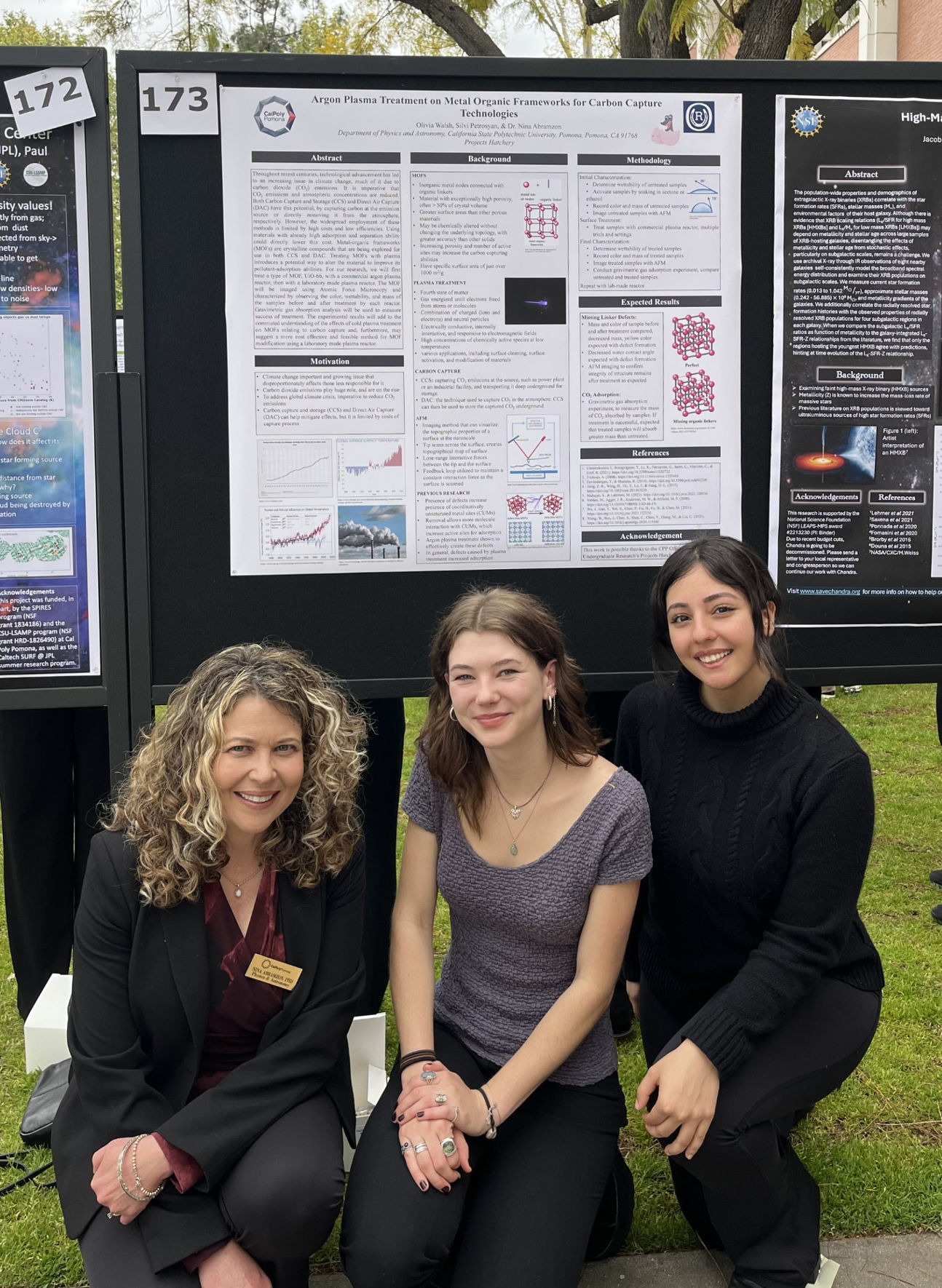 To address the growing need for improved carbon capture technologies, we will research the use of plasma surface treatment to increase the carbon-absorbing properties of metal organic frameworks (MOFs), a type of porous material under exploration for use in carbon capture technologies. We will first attempt proof-of-concept using a commercial plasma reactor and then use a plasma reactor developed and built in-lab to attempt similar results. Success with the lab-made reactor would imply a cost effective and accessible way to increase the efficiency of carbon capture technologies that employ metal organic frameworks.
Team Members: Olivia Walsh, Silvi Petrosyn
Mentor: Nina Abramzon, Krishna Sigdel
Team PIV
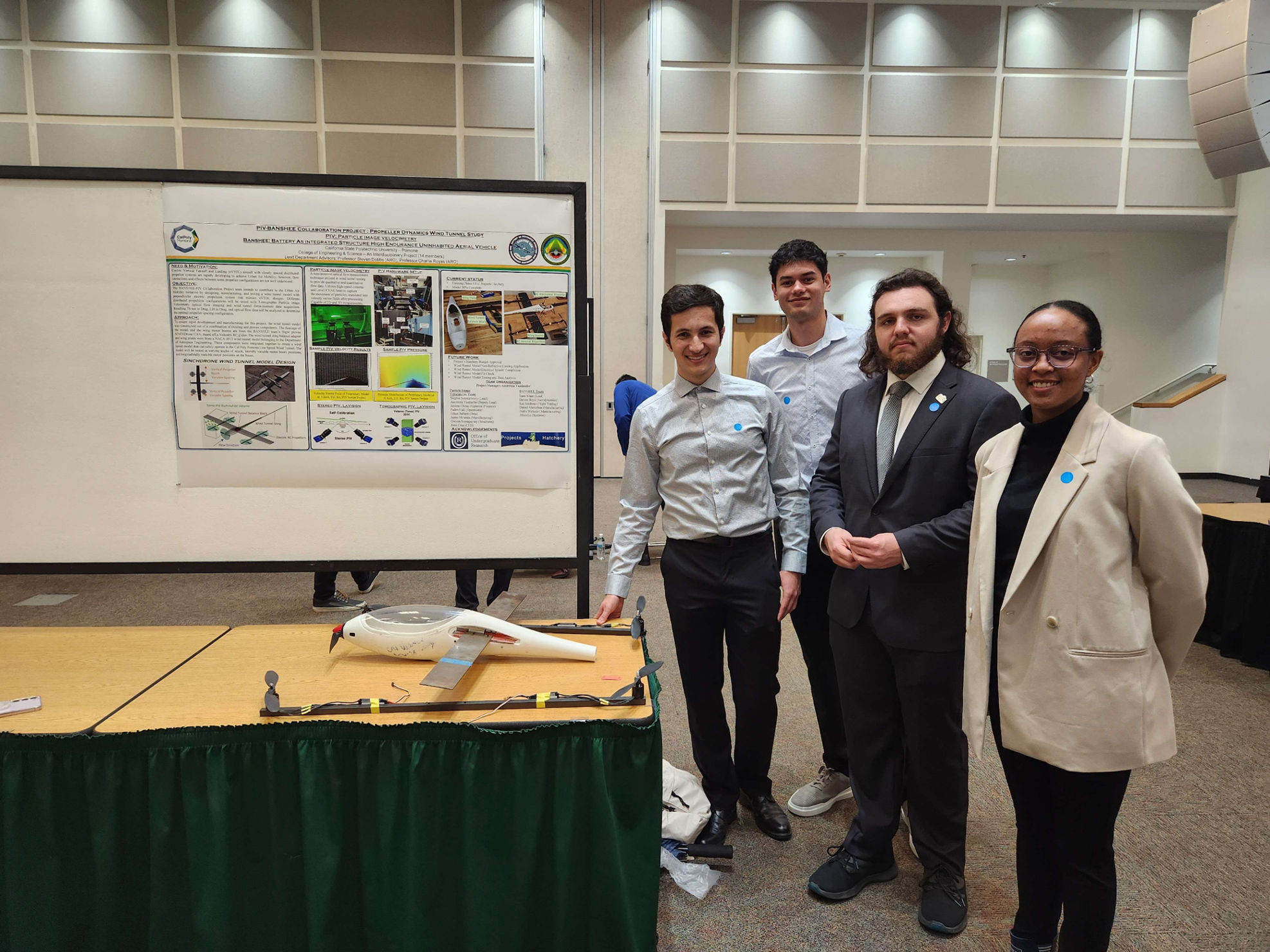
Electric Vertical Takeoff and Landing (eVTOL) aircraft have recently increased in development as part of the Advanced Air Mobility initiative that aims to develop quiet and safe electric air taxis in metropolitan areas. The aerodynamic interactions between some proposed propeller configurations are not well understood. Understanding these interactions is key to creating safe and stable eVTOL aircraft without potential thrust fluctuation issues and other flight instabilities.
The PIV-BANSHEE Propeller Dynamics Study aims to utilize the capability of the Cal Poly Pomona Department of Aerospace Engineering’s advanced Particle Image Velocimetry (PIV) flow imaging system to experimentally study the flow dynamics of distributed propeller propulsion configurations seen in eVTOL aircraft concept using the BANSHEE SINCHDrone Unmanned Aerial Vehicle (UAV) as a test bed. Our study will collect and cross reference wind tunnel force/moment data and PIV optical flow data to determine the ideal propeller spacing configuration.
Team Members: Stephie Soloarivony, Amirreza Yazdanfar, Jenisse Chitay-Espinoza, Paden Hall, Ethan Ballard, Jaime Miranda, Gwynn Sumagaysay, John Cruz, Aaron Zuckerman, Isaac Khan, Devon Boyd, Kai Arellano, Daniel Malimban, Aidin Weissler, Alton Lo
Mentor: Steven Dobbs, Charlie Royas
Senior Project (Ragnapatterns)
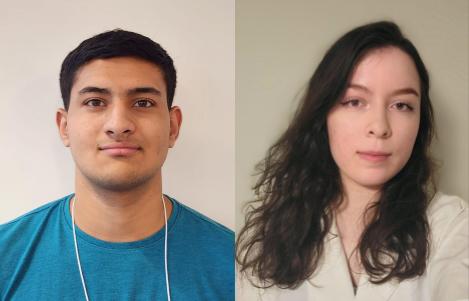
Creating a generative AI to output a new level in a rhythm game, Ragnarok, with just the input of a song and desired difficulty.
Team Members: Nikhil Kowdle, Estefania Chavez
Mentor: Markus Eger
Buttercups
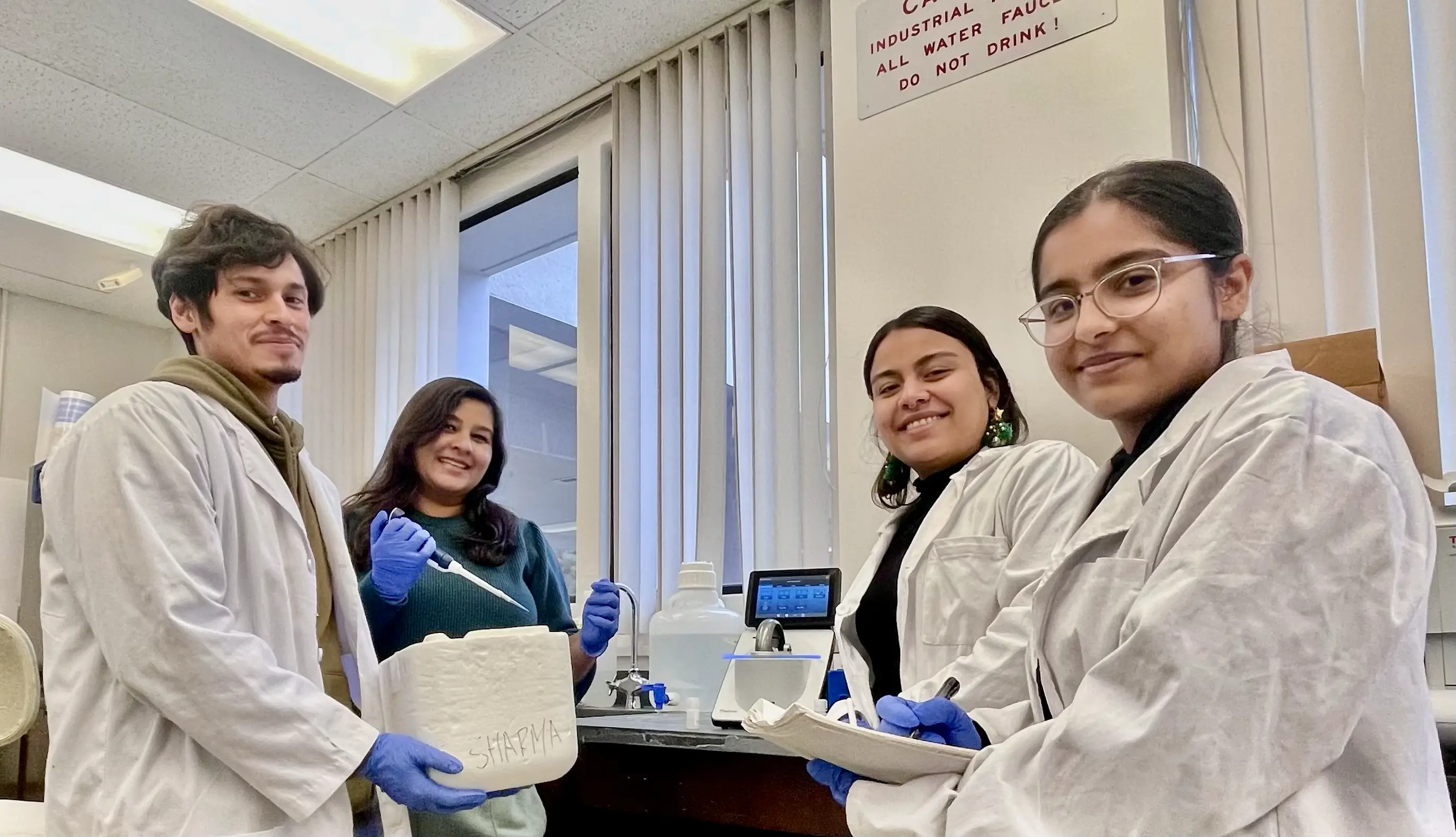
Our project is aimed at understanding the developmental and molecular changes in carpels pre and post-pollination in Aquilegia. We use developmental, molecular, and transcriptomic approaches to study the mechanisms that regulate carpel and seed developmental using Aquilegia coerulea as a model organism.
Team Members: Ana Q. Alcaraz Echeveste, Rene K. Romo, Mankirat K. Pandher
Mentor: Bharti Sharma
Project BILL-EE
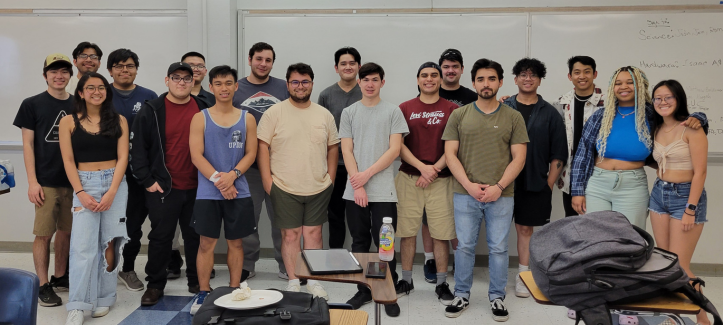
Project BILL-EE is a project that aims to design and build the next advanced robot to combat against pathogens. We will use this rover to detect signs of possible diseases that can cause harm to the human race and alarm those in the area before they spread. We are a diverse team of students with distinct backgrounds working together to build and redesign a functioning robotic vehicle. Backgrounds in the science department to the engineering department, depending on the needs of the team and the goal. We aim to make this project open and diverse for all students to apply.
Team Members: Bao Le, Adrian Poitras, Tyler Self, Romar Rivera, Luc Saikali, Aidan Brahms, Aileen Paises, Kush Shah, Joshua Urbano, Olamilekan Adeolu, Tony Le, Celine Mangahas, David Cuentas, Mark Haddad
Mentor: Tarek A. Elsharhawy
Team Keto
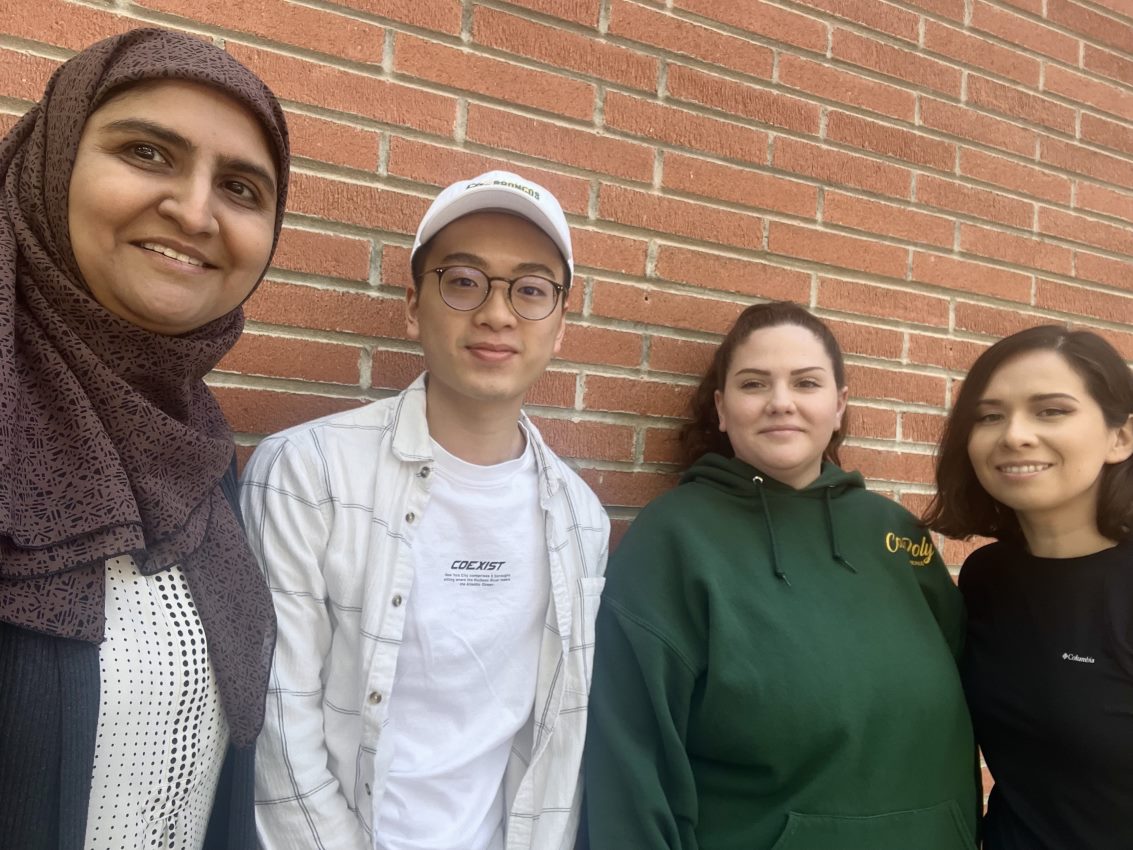
As the ketogenic diet is becoming popular in the world, our team aims to provide more qualitative evidence about the ketogenic diet by investigating its effects on physical performance, nutrient intake, mood, and lived experience in young adults. As such, we conducted a 4-week ketogenic diet in Spring 2023 and recruited Cal Poly Pomona students (18-30 years of age) as our research participants. Participants received ketogenic foods weekly and their responses to ketogenic diet were collected at the end of the study by focus group sessions.
Team Members: Shing Chan, Lindsey Zluticky, Diana Melgoza Calderon
Mentor: Fatheema Begum Subhan
Guatemala Project
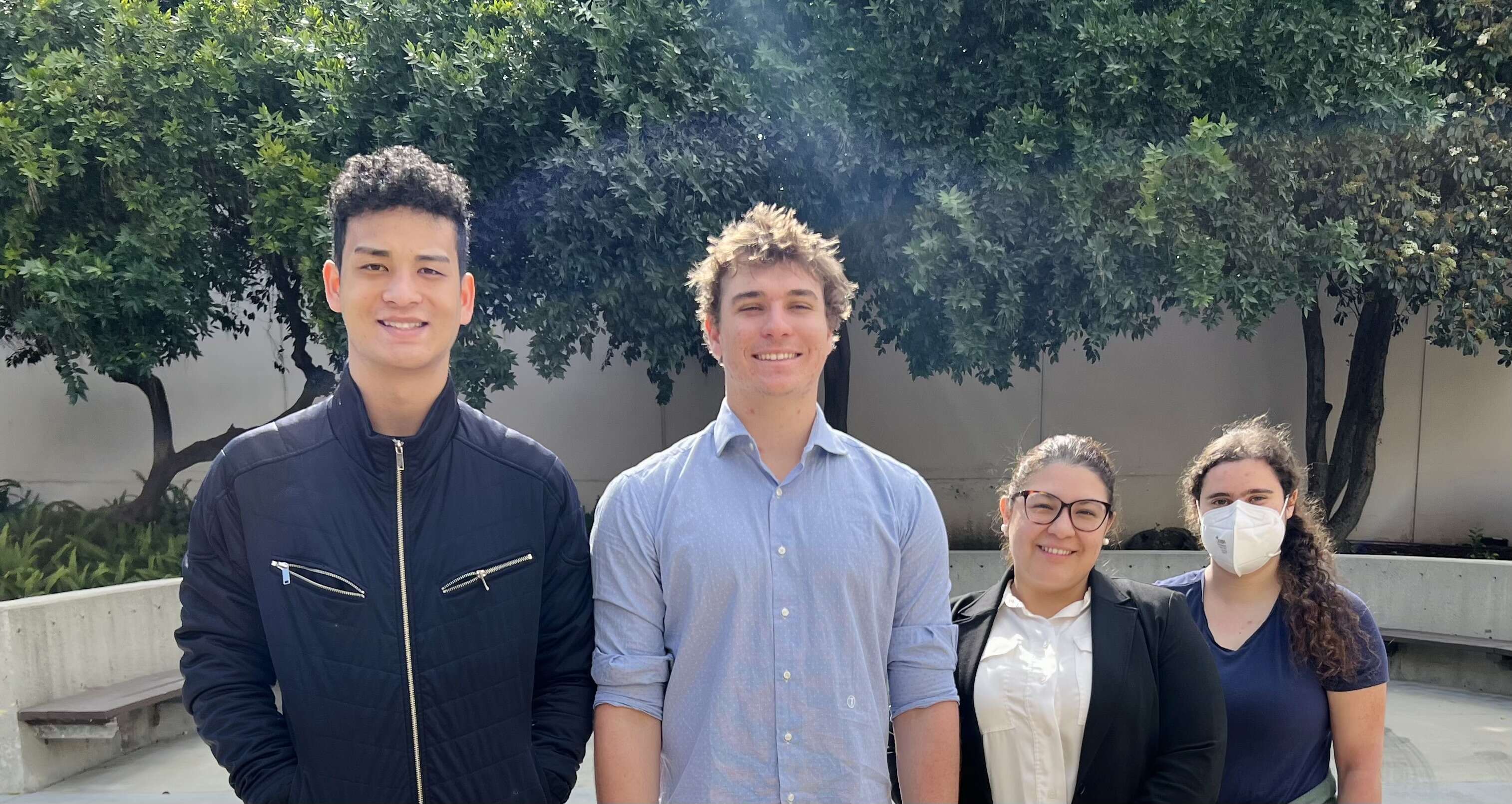
The Guatemala Project is an international aid project that is aimed at assisting a Mayan community in Guatemala by the name of San Antonio Agua Calientes. This community is located in the heart of Guatemala's jungle and mountain region. Because of the local topography of this community, it is isolated or difficult to access or establish commodities such as electricity or clean water for farming and drinking.
Team Members: Daniel Pettinger, Paula Morales, Nicolar Kim, Tuan Do, Maria Menjivar, Addie Hasson, Daniel Starkey
Mentor: Rosa Vasonez
Team Herd
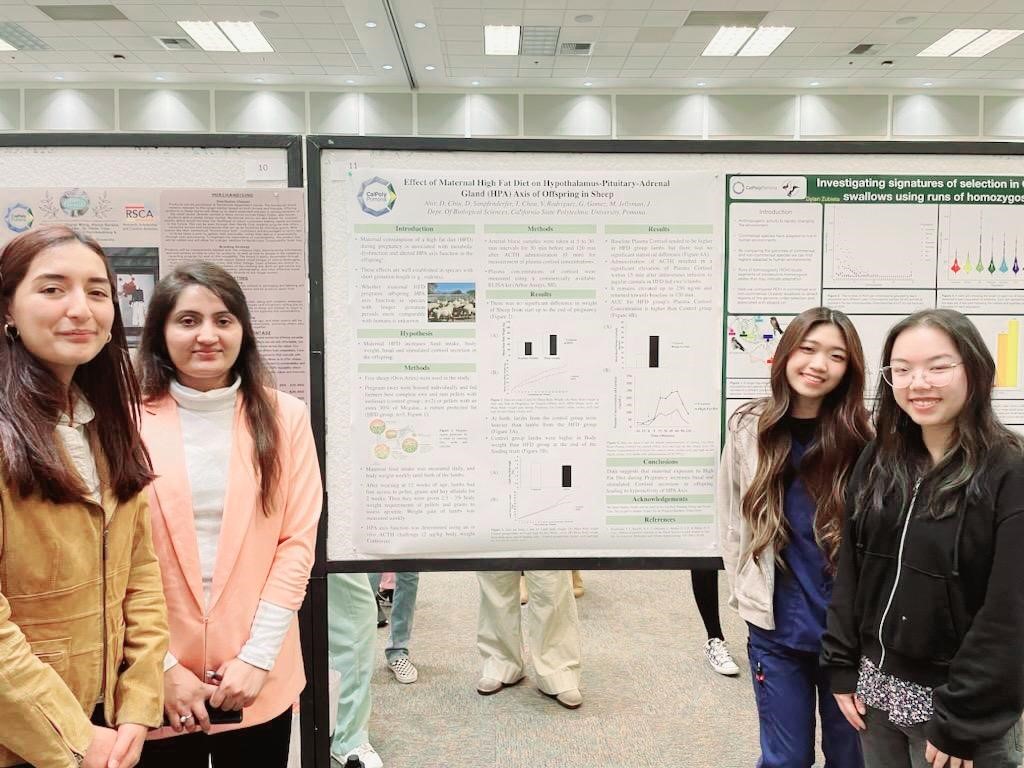
The long-term consequences of maternal overnutrition are well established in species with short duration of pregnancy and short life spans (i.e. rodents), but much less is known about the impact of maternal high fat diet on the offspring of species with longer gestation periods more comparable with humans. The current study will determine the effect of maternal consumption of a high fat diet during pregnancy on the growth and pancreatic function of the offspring in sheep.
Team Members: Gabrielle P. Rodriguez, Digisha Ahir, Meztli A. Gomez, Daisy Chiu, Valerie Chou, Teresa C. Meza, Tory Simpfenderfer
Mentor: Juanita Jellyman
Project Phoenix
Covid-19 Hospitality

COVID-19 Hospitality investigates the factors (e.g., individuals' espoused cultural values, civic consciousness) that shape consumers' intentions to wear a mask when staying in a coffee shop. We focus on how the US has adapted to life post-pandemic in terms of hygienic behavior in hospitality settings.
Team Members: Emily Harrison, Adrian Cruz
Mentor: Jae Jung