Cybersecurity


Cybersecurity
Smart manufacturing relies on the industrial Internet of Things (IIoT), but network security remains a major challenge because many industrial protocols lack authentication, confidentiality, and integrity protections. Weak authentication allows attackers to send malicious commands, causing failures or harm. Existing lightweight methods rely on device fingerprints and struggle against evolving attacks.
Research Thrusts Plans
Cybersecurity for Connected and Autonomous Systems
Research will address cybersecurity, authentication, resilience, secure communication, and protection of connected and autonomous systems. Activities will focus on developing approaches that enable secure and reliable operation of increasingly interconnected environments, using the Center’s industrial IIoT test bed as a proving ground for methods applicable across sectors.
Current Research Foundation
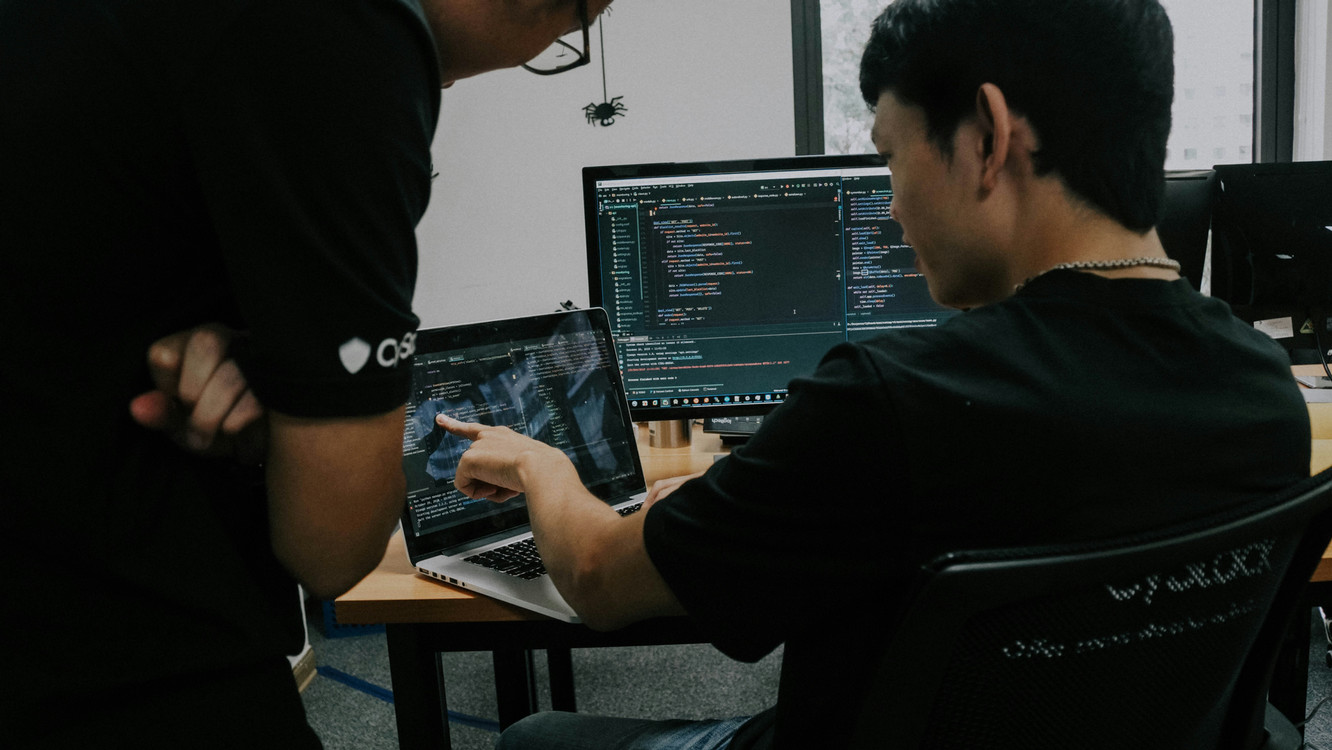
Current research foundation: The cybersecurity thrust is supported by an IIoT laboratory environment equipped with a network Test Access Point (TAP) for passive EtherNet/IP traffic capture and a dedicated workstation configured as an adversary node. Faculty researchers have completed a review of more than 40 studies on PLC/industrial control system security, analyzed EtherNet/IP packet structures, and conducted controlled message-spoofing, man-in-the-middle (MITM), and tampering experiments. Reusable attack scripts and experimental documentation have been developed to support vulnerability analysis and the subsequent design and evaluation of lightweight authentication mechanisms.
These research thrusts are intentionally complementary rather than independent. RASIM will encourage projects that integrate multiple thrust areas to address complex manufacturing challenges at the system level.
The faculty research portfolio demonstrates how these thrusts can operate as an integrated Center rather than as four independent research areas. Digital twins provide a common computational representation of manufacturing assets; robotics provides autonomous manipulation and physical-system capabilities; AR/VR extends these systems to human interaction, training, and decision support; and cybersecurity addresses the secure communication and resilience of the connected industrial environment. RASIM will use this integration to support system-level research questions that require coordinated expertise, shared infrastructure, and interdisciplinary teams.
The Center will support research through shared laboratory infrastructure, specialized equipment, computing resources, data acquisition systems, software platforms, technical expertise, and administrative research support. The Center's research portfolio will evolve as faculty expertise, industry needs, emerging technologies, and external funding opportunities change.
RASIM will also provide a platform for developing collaborative proposals, establishing interdisciplinary research teams, engaging external partners, and translating research outcomes into prototypes, demonstrations, technical solutions, and other forms of research impact.