Outdoor Air Quality


Outdoor Air Quality Program
Program Overview
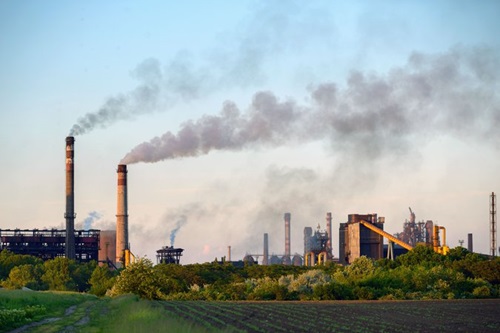
Environmental Health & Safety (EH&S) monitors outdoor air quality conditions that may affect the health and safety of the Cal Poly Pomona campus community. Outdoor air quality may be impacted by wildfire smoke, elevated ground-level ozone (smog), dust, and other environmental conditions. Because outdoor air quality conditions can change rapidly, EH&S monitors information and guidance from local, state, and federal agencies and coordinates with campus leadership when conditions may affect the campus community or campus operations. EH&S provides guidance and campus notifications, as appropriate.
This page provides information about common outdoor air quality conditions, potential health effects, recommended protective measures, frequently asked questions, and additional resources to help the campus community make informed decisions and reduce their exposure during outdoor air quality events.
Current Air Quality Conditions
Ground-Level Ozone (Smog) Air Quality Alert
Ground-level ozone (commonly referred to as smog) is an air pollutant that forms when emissions from vehicles, industrial activities, and other sources react in the presence of sunlight and heat. Unlike the protective ozone layer high in the atmosphere, ground-level ozone can negatively affect human health.
Ozone levels are typically highest during hot, sunny afternoons and early evening hours, particularly during the summer months.
Ground-level ozone can affect anyone, but some individuals are more susceptible to adverse health effects, including:
- Individuals with asthma or other respiratory diseases
- Individuals with heart disease
- Children and teenagers
- Older adults
- People who work or exercise outdoors
- Individuals performing prolonged or strenuous outdoor activities
Exposure to elevated ozone levels may cause:
- Coughing
- Throat irritation
- Chest tightness
- Wheezing
- Shortness of breath
- Difficulty breathing during physical activity
- Worsening of asthma or other respiratory conditions
During an Air Quality Alert for ozone:
- Schedule prolonged or strenuous outdoor activities during periods of better air quality, when practical.
- Reduce the duration or intensity of outdoor activities during periods of elevated ozone.
- Take breaks in enclosed, air-conditioned buildings when practical.
- Move indoors if you experience coughing, wheezing, shortness of breath, or chest discomfort.
- Individuals with asthma or other respiratory conditions should follow their healthcare provider's recommendations.
N95 respirators do not protect against ground-level ozone because ozone is a gas rather than an airborne particle. During ozone Air Quality Alerts, reducing outdoor exposure and modifying activities are generally the most effective protective measures.
N95 respirators are designed to filter airborne particles, such as wildfire smoke (PM2.5), but they do not filter gases such as ozone.
Wildfire Smoke Air Quality Alert
Wildfire smoke is a mixture of gases and fine airborne particles (primarily PM2.5) produced by burning vegetation and other materials. Smoke from wildfires can travel long distances and may affect air quality even when fires are many miles away.
Wildfire smoke can affect anyone; however, some individuals are more susceptible to adverse health effects, including:
- Individuals with asthma or other respiratory diseases
- Individuals with heart disease
- Children and teenagers
- Older adults
- Pregnant individuals
- Individuals working outdoors
- Individuals with prolonged exposure to smoke
Exposure to wildfire smoke may cause:
- Eye irritation
- Nose or throat irritation
- Coughing
- Wheezing
- Shortness of breath
- Difficulty breathing
- Headaches
- Worsening of asthma or other respiratory conditions
During periods of wildfire smoke:
- Limit outdoor activities when smoke levels are elevated.
- Reduce prolonged or strenuous outdoor exertion.
- Spend time in enclosed buildings with doors and windows closed when practical.
- Follow guidance provided by Environmental Health & Safety and public health agencies.
- Individuals with asthma or other respiratory conditions should follow their healthcare provider's recommendations.
Unlike ground-level ozone, wildfire smoke contains fine airborne particles (PM2.5) that may be reduced by a properly fitted N95 filtering facepiece respirator.
Cal Poly Pomona provides voluntary use of N95 respirators in accordance with the University's Respiratory Protection Program and applicable Cal/OSHA requirements.
Employees interested in obtaining a voluntary-use N95 respirator should contact Environmental Health & Safety (ehs@cpp.edu) for additional information regarding training and required documentation.
During wildfire smoke events, Environmental Health & Safety monitors local air quality conditions and coordinates with campus leadership. Depending on conditions, EH&S may issue campus notifications, recommend protective measures, or implement additional actions consistent with university procedures and applicable regulations.
The following is a link to CPP Learning's training module: CSU-Protection from Wildfire Smoke
This article is the first in a series on the California State University's role in understanding, preventing and fighting California's devastating wildfires. Understanding Wildfire in California: What the CSU is Learning
CSU employees and their family members who are affected by wildfire events in California may be eligible to access specific Payroll and Benefits resources. Learn more at: Resources for CSU Employees Impacted by Wildfires
The guidelines on how to protect yourself from wildfire smoke can be accessed on the Wildfire Smoke Protection FAQ (PDF).
Dust and Wind-Blown Dust Air Quality Alert
Wind-blown dust occurs when strong winds lift soil, sand, or other fine particles into the air. Dust may also be generated by construction activities, landscaping, agricultural operations, or other outdoor work. Elevated dust levels can temporarily reduce outdoor air quality and visibility.
Dust may affect anyone, but some individuals are more susceptible to irritation or respiratory symptoms, including:
- Individuals with asthma or other respiratory conditions
- Individuals with allergies
- Children and older adults
- Individuals working or exercising outdoors
Exposure to elevated dust levels may cause:
- Eye irritation
- Nose or throat irritation
- Coughing
- Sneezing
- Shortness of breath
- Worsening of asthma or allergy symptoms
During periods of elevated dust:
- Limit prolonged exposure to dusty outdoor environments when practical.
- Avoid strenuous outdoor activities if excessive dust is present.
- Move indoors if dust causes irritation or breathing difficulties.
- Keep doors and windows closed when practical to reduce dust entering occupied buildings.
- Report excessive dust generated by campus operations or construction activities to Environmental Health & Safety.
Depending on the source and severity of airborne dust, respiratory protection may be appropriate for certain work activities. Employees should follow their department's established work procedures and contact Environmental Health & Safety with questions regarding respiratory protection requirements.
FAQ
Ground-level ozone (smog) is a gas that forms when pollutants react with sunlight and heat. Wildfire smoke is made up of gases and fine airborne particles (PM2.5) produced by burning vegetation and other materials. Although both can affect health, they are different air quality hazards and may require different protective measures.
It depends on the type of air quality event. N95 respirators may help reduce exposure to airborne particles such as wildfire smoke (PM2.5), but they do not protect against ground-level ozone because ozone is a gas. During ozone Air Quality Alerts, reducing outdoor exposure and modifying outdoor activities are generally more effective protective measures.
Environmental Health & Safety (EH&S) monitors outdoor air quality using information provided by local, state, and federal agencies. When outdoor air quality conditions may affect the campus community or campus operations, EH&S coordinates with campus leadership and provides guidance or campus notifications, as appropriate.
Reduce your outdoor exposure and move indoors if practical. If symptoms persist or worsen, seek medical attention. Employees should notify their supervisor if symptoms affect their ability to safely perform their work.
Current outdoor air quality conditions are available through:
Ground-level ozone and wildfire smoke are different types of air pollutants. Ozone is a gas, while wildfire smoke contains fine airborne particles (PM2.5). Because they affect the body differently, the recommended protective measures are different. EH&S provides guidance based on the specific type of air quality event and recommendations from public health and regulatory agencies.
For questions regarding outdoor air quality, air quality notifications, or respiratory protection, please contact Environmental Health & Safety at ehs@cpp.edu or (909) 869-4697.
Environmental Health & Safety monitors outdoor air quality using information provided by:
- AirNow
- South Coast Air Quality Management District (South Coast AQMD)
- National Weather Service
- California Air Resources Board
When outdoor air quality may affect the campus community, EH&S evaluates available information, coordinates with campus leadership, and provides guidance or campus notifications as appropriate.
Depending on the type of air quality event, recommendations may differ because different air pollutants require different protective measures.