Getting Started in Research
Where to Start?
Beginning your journey in conducting research can take you on many paths depending on where you want to go. The most important thing to keep in mind is that you can achieve only what you set your mind to do. As you begin your research path, we encourage you to get as much support from your peers, faculty, and staff to help you along the way. Building a strong support network will ensure that you reach your research goal!
The Office of Undergraduate Research is here to help you. This page provides an outline of research opportunities that are open to all students from majors across campus. If you have specific questions about these topics, please email us at our@cpp.edu.
Step 1
Learn About Research
Participating in research will help you gain specific skills such as developing your research topic, conducting literature searches, analyzing data, preparing conference presentations, and improving your writing and communication skills. There are additional benefits such as interpersonal development through working with teams on projects and mentoring from a faculty member who can influence your decisions on graduate school and employment opportunities.
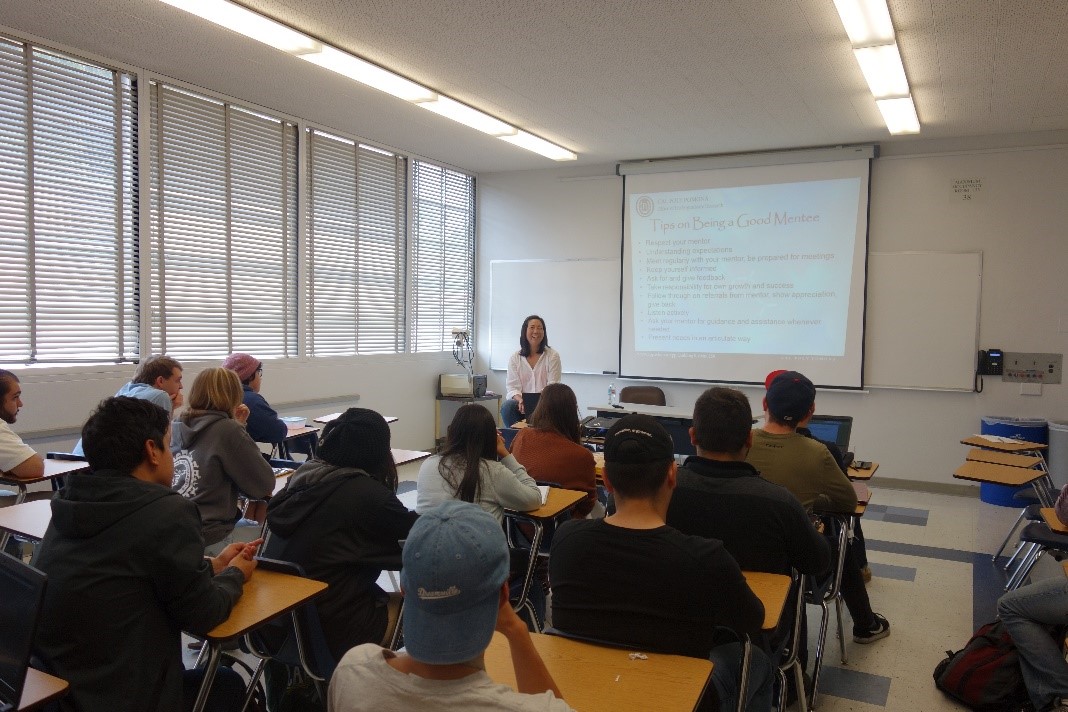


What is Undergraduate Research?
Step 2
Connect with Faculty & Programs
Start by talking with faculty you know. Talk to current and past professors from courses you have done well in and have enjoyed. Even if the professor is not currently seeking an undergraduate researcher, they may know of colleagues who are seeking research assistants within your discipline.
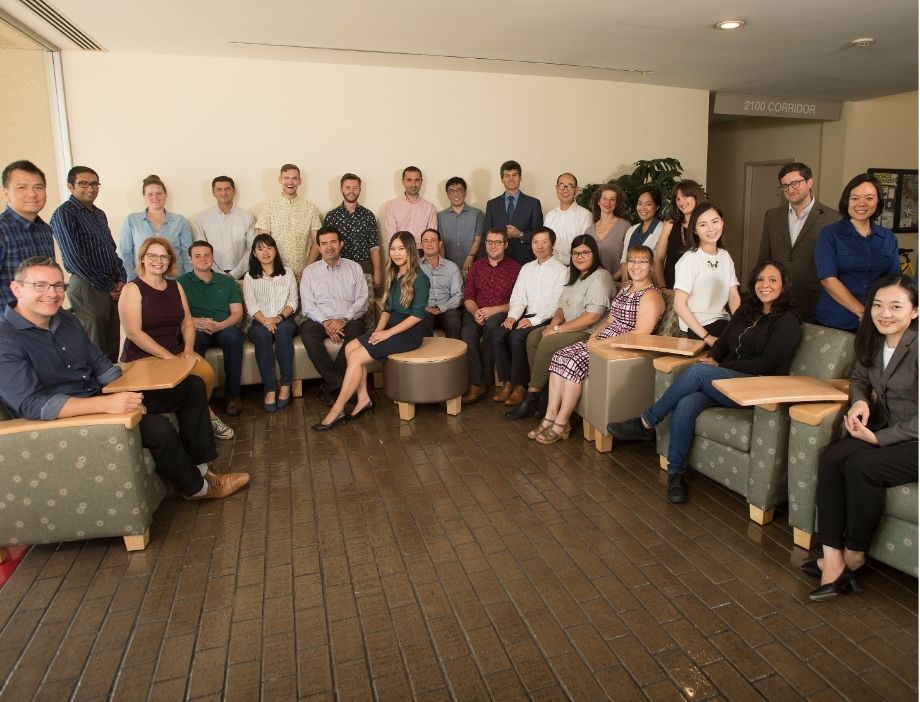
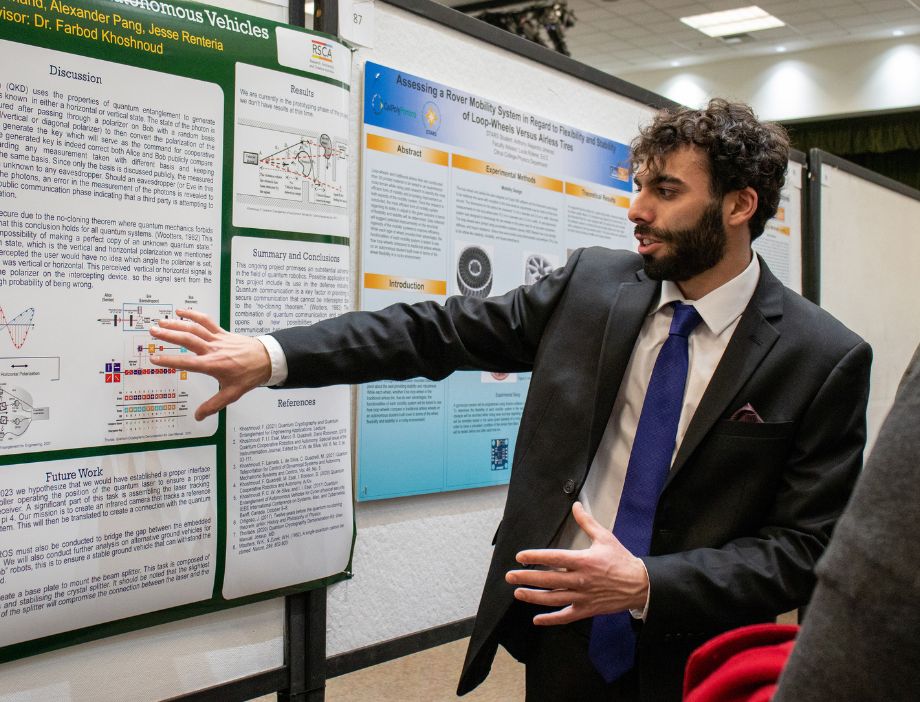
Tips to Connect with Faculty
-
Start with Familiar Faculty
Reach out to professors from courses you’ve enjoyed or excelled in—they may know of research opportunities or refer you to colleagues in your discipline.
-
Do Your Research
Read faculty profiles and skim their publications to learn about their research interests before reaching out.
-
Talk to Your Network
Ask your academic advisor and other undergraduates involved in research for guidance on finding faculty mentors and learning how they got started.
-
Reach Out Thoughtfully
Attend office hours and bring a CV or resume. Begin with small talk, then express your interest in the professor’s research and explain why you want to get involved.
-
Ask Questions
Inquire about current opportunities or advice on how to begin your own research project.
-
Follow Up and Explore
Thank faculty for their time and consider speaking with more than one mentor to gain a broader view of potential research paths in your field.
Step 3
Plan & Finance Your Research
We recommend consulting with your faculty mentor first about the research path that would work best for you based on your goals and timeline. We also advertise both on- and off-campus research opportunities through the OUR Mailing List.


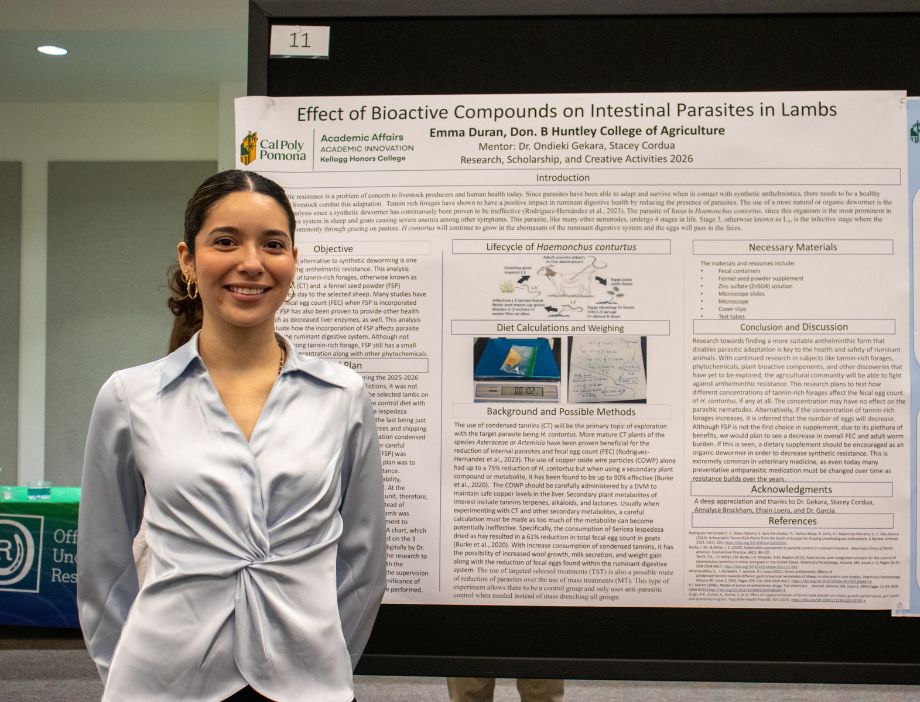
Common Paths to Conduct Research
-
Collaborate with Faculty on Campus
Volunteer to work with a faculty member on their research projects. Some colleges may have funding to hire Research or Lab Assistants.
-
Gain Experience Off Campus
Work or volunteer for a researcher outside of your university — in a hospital, medical center, research institute, private industry, or community-based organization, for example. Researchers with major grants depend upon students for many elements of study management, data collection and statistical analyses.
-
Kellogg Honors College
Students in the Kellogg Honors College complete an honors thesis or capstone project.
-
Reach Out Thoughtfully
Attend office hours and bring a CV or resume. Begin with small talk, then express your interest in the professor’s research and explain why you want to get involved.
-
Enroll in a Research-Focused Course
Take a research methods or projects class in your department or college.
-
Apply for Research Programs
Apply to a research program that can take place during either the academic year or summer.
Step 4
Showcase Your Work
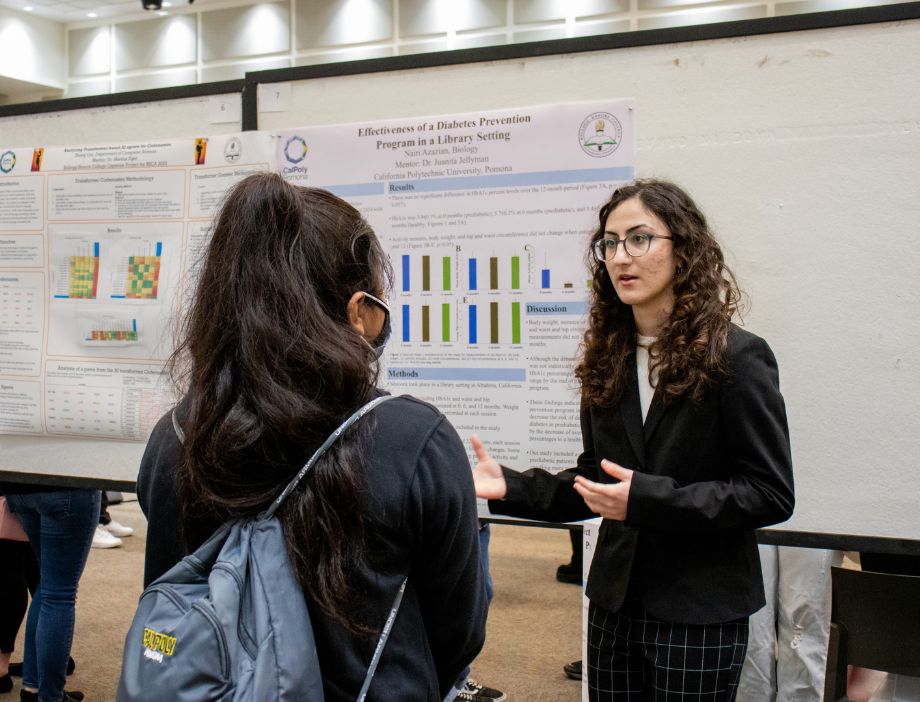
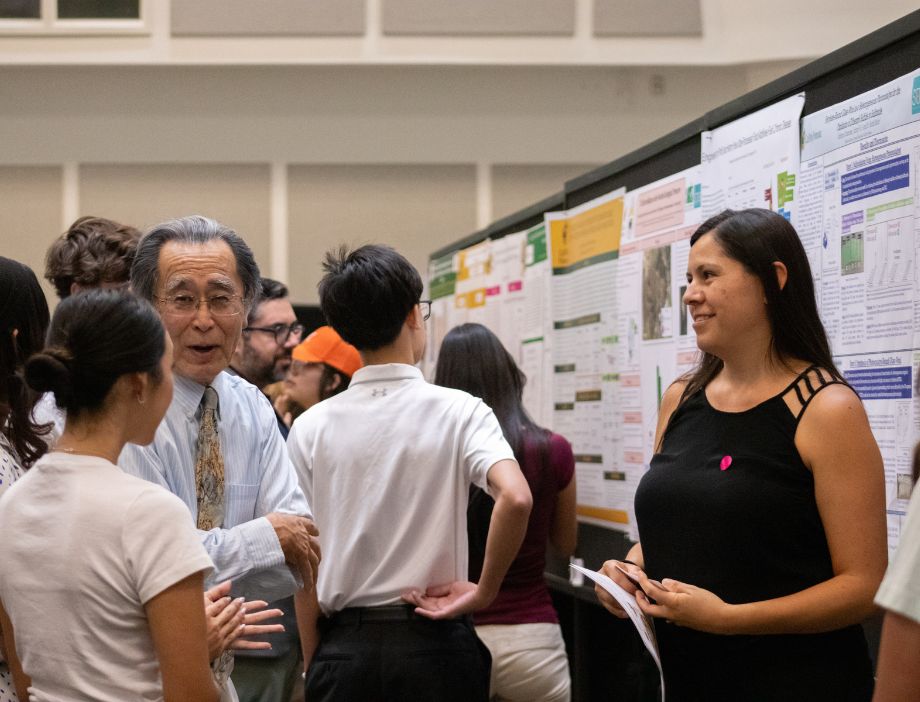
Presenting your research is an important milestone that will bring awareness and recognition for your research. Often, you can use the campus conference as practice for a professional meeting or conference in your discipline.